
















Handling corrosive fluids is one of the most critical challenges in the Indian industrial landscape. Whether in textile processing, chemical manufacturing, steel pickling, or wastewater treatment, the safe and efficient transfer of aggressive acids and alkalis dictates the uptime of the entire plant. Unlike water or neutral fluids, corrosive chemicals attack standard metal components, leading to rapid equipment failure, hazardous leaks, and costly production stoppages. This is where specialized fluid handling solutions become non-negotiable.
For plant managers and procurement engineers, the solution lies in selecting robust, chemically inert pumping systems designed specifically for these harsh environments. PP Pumps (Polypropylene Pumps) have emerged as the industry standard for handling a wide spectrum of corrosive liquids. Their ability to withstand aggression from substances like Hydrochloric Acid (HCL), Sulphuric Acid (H2SO4), and caustic alkalis without degrading makes them indispensable. However, not all polypropylene pumps are built alike. Selecting the right pump involves navigating a complex matrix of performance factors, from hydraulic design to material purity.
This article provides a comprehensive technical guide for industrial buyers in India. We will explore the critical performance parameters, construction details, and material considerations necessary to ensure your chemical handling operations remain safe, efficient, and compliant with environmental standards.
In This Article
1. What Are PP Pumps and How Do They Function?
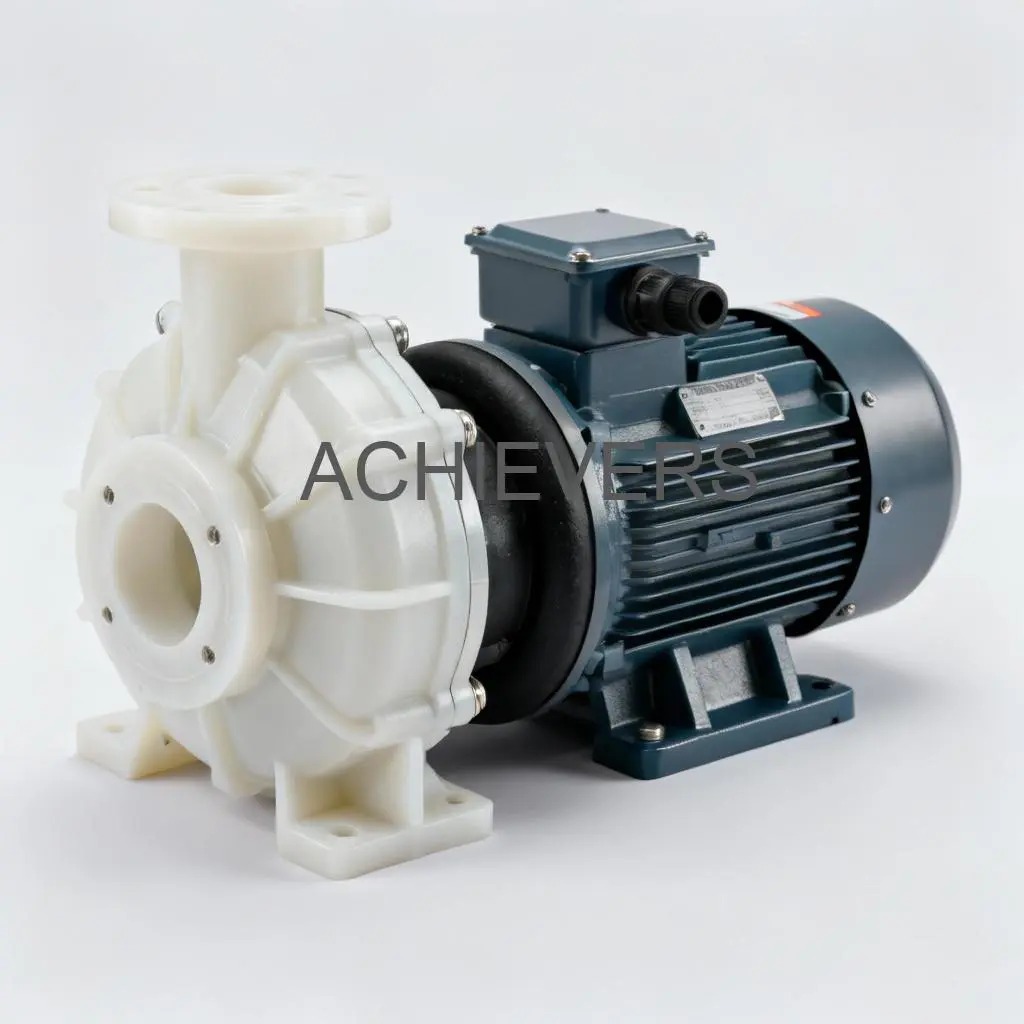
At their core, PP Pumps are centrifugal pumps constructed primarily from Polypropylene, a thermoplastic polymer known for its exceptional chemical resistance and mechanical strength. Unlike cast iron or stainless steel pumps, where the wetted parts are metallic, these pumps utilize moulded solid polypropylene for the casing, backplate, and impeller. This construction ensures that the fluid never comes into contact with metal, effectively eliminating the risk of galvanic corrosion or chemical attack.
Key Technical Characteristics:
- Corrosion Resistance: The primary function of these pumps is to handle fluids that would rapidly destroy metal. This includes acidic effluents, pickling agents, scrubbing liquors, and electroplating solutions.
- Hydraulic Efficiency: Despite being made of plastic, modern engineering allows these pumps to maintain high hydraulic efficiency. The smooth surface finish of moulded polypropylene reduces friction losses inside the volute casing, often resulting in better flow characteristics compared to rough cast metal pumps.
- Operational Versatility: These pumps are designed to operate in diverse conditions, ranging from transfer duties (high flow, low head) to circulation duties (constant pressure). They are widely used in Effluent Treatment Plants (ETP) and industrial chemical processes.
- Material Integrity: High-quality PP Pumps utilize virgin polypropylene or glass-filled polypropylene to enhance structural rigidity and thermal stability. This prevents deformation under pressure, a common issue with inferior plastic pumps.
The design typically features a horizontal, single-stage, end-suction back-pull-out architecture. This allows maintenance teams to remove the rotating assembly without disturbing the suction and discharge piping—a crucial feature for minimizing downtime in continuous process industries.
2. Key Performance Factors: Comparing Impellers, Sealing, and Construction
When evaluating PP pumps for corrosive chemical handling, it is insufficient to merely specify the flow rate and head. The longevity of the pump is determined by how well its internal configuration matches the specific nature of the fluid. Industrial buyers must compare several critical performance factors to ensure the selected pump can withstand the rigors of daily operation.
Impeller Types: Semi-Open vs. Enclosed
The impeller is the heart of the pump, and its design dictates how well the pump handles solids and slurries.
- Semi-Open Impellers: These are the most common choice for industrial PP pumps for ETP and chemical plants. Effluent and chemical waste often contain suspended solids, sludge, or small particles. A semi-open impeller design prevents clogging and allows the pump to pass small solids without jamming. It balances efficiency with the ability to handle dirty fluids.
- Enclosed (Closed) Impellers: For applications involving clean, solid-free chemicals (like transferring fresh acid from a tanker to a storage tank), an enclosed impeller offers higher hydraulic efficiency. However, it is prone to clogging if the fluid contains any debris.
Buyers must assess the cleanliness of their fluid. For ETP applications, a semi-open impeller is almost always the superior choice to prevent frequent maintenance intervals.
Sealing Mechanisms: The Line of Defense
Leakage is the biggest safety risk in chemical handling. The sealing mechanism prevents the corrosive fluid from escaping along the shaft and attacking the motor or the environment.
- Mechanical Seals: Most standard PP pumps utilize mechanical seals. For corrosive applications, the seal faces must be chosen carefully.
- Carbon vs. Ceramic: A common combination for general duties.
- SiC vs. SiC (Silicon Carbide): Recommended for fluids containing abrasive particles or sludge, as it is extremely hard and wear-resistant.
- GFT (Glass Filled Teflon) Bellows: Often used for highly corrosive acids where rubber bellows might fail.
- Double Mechanical Seals: For extremely hazardous or toxic fluids, a double seal with a barrier fluid system ensures that even if the primary seal fails, the chemical does not leak into the atmosphere.
- Seal Cooling: In applications where the fluid is hot or has poor lubricating properties, external cooling or flushing arrangements for the seal are vital to prevent dry running and thermal cracking.
Temperature Resistance and Material Stability
Polypropylene has a defined operating temperature range. While metals can handle extreme heat, PP typically operates effectively up to 70°C to 80°C. Beyond this limit, the material softens, losing mechanical strength and dimensional stability.
- PVDF Alternatives: If the process temperature exceeds 80°C, buyers might need to consider PVDF (Polyvinylidene Fluoride) lined pumps, which offer similar chemical resistance but higher temperature tolerance (up to 100°C+). However, for the vast majority of ambient to moderately hot chemical transfers (up to 70°C), PP remains the most cost-effective solution.
- Expansion & Contraction: Industrial systems experience temperature cycling. High-quality polypropylene pump manufacturers in India account for thermal expansion in their design to prevent stress cracks in the casing or misalignment of the shaft.
Construction Method: Moulded vs. Fabricated
Durability often comes down to manufacturing technique.
- Injection Moulded: The best PP pumps are injection moulded. This process ensures uniform wall thickness, high density, and the absence of air pockets or structural weak points. Moulded pumps are far more robust against pressure surges.
- Machined/Fabricated: Some low-cost or custom-sized pumps are machined from solid blocks or welded sheets. While flexible in sizing, welded joints can be weak points prone to cracking under vibration or chemical attack.
3. Selection and Configuration Guide
Choosing the correct specifications is vital for energy efficiency and pump longevity. A mismatched pump can lead to cavitation, motor burnout, or seal failure. Here is a guide on how to choose PP pumps for your specific facility.
Step 1: Define the Fluid Properties
Before contacting a supplier, document the exact nature of the fluid.
- Chemical Composition: Name of the chemical and concentration (e.g., Hydrochloric Acid 33%).
- Specific Gravity (SG): This is critical. Water has an SG of 1.0. Concentrated Sulphuric Acid has an SG of approx 1.84. A motor sized for water will burn out immediately if used for Sulphuric Acid because the fluid is heavier. You must select a motor with higher HP/kW to handle the increased load.
- Viscosity: Thicker fluids increase friction and reduce flow.
- Temperature: Operating and maximum temperature.
Step 2: Determine Hydraulic Requirements
- Flow Rate: Desired capacity in Liters Per Minute (LPM) or Cubic Meters per Hour (m³/hr).
- Total Head: The vertical height the fluid needs to be lifted, plus the friction losses in the piping, bends, and valves.
- Suction Condition: Is the pump under "flooded suction" (tank above pump) or does it need "suction lift" (tank below pump)? PP pumps generally prefer flooded suction. If lifting is required, a self-priming variant or a foot valve is necessary.
Step 3: Select the Motor and Mounting
- Motor Rating: Ensure the motor is rated for the Specific Gravity of the fluid.
- Protection Class: For chemical plants, TEFC (Totally Enclosed Fan Cooled) motors with IP55 protection are standard. If the area is hazardous (flammable fumes), a Flameproof (FLP) motor is mandatory.
- Baseplate: A robust epoxy-coated or chemical-resistant baseplate is essential to maintain alignment between the pump and motor, reducing vibration and seal wear.
Checklist for Enquiry
When sending an enquiry to manufacturers, include:
- Fluid Name & Concentration
- Operating Temperature
- Specific Gravity
- Required Flow & Head
- Presence of Solids (Size & %)
4. Typical Applications in Indian Industry
The versatility of PP pumps makes them ubiquitous across various sectors. Their ability to handle corrosive fluids reliably makes them the backbone of many critical processes.
1. Effluent Treatment Plants (ETP):
This is the most common application. Industrial PP pumps for ETP and chemical plants are used to transfer raw effluent from collection tanks to neutralization tanks. They handle mixed acids, alkalis, and sludge. The semi-open impeller design is particularly valued here for its ability to pass small solids found in wastewater.
2. Steel and Metal Pickling:
In steel rolling mills and galvanizing plants, metal sheets are cleaned using Hydrochloric or Sulphuric acid baths. PP pumps circulate these hot acids through the pickling tanks. The material's resistance to HCL is superior to stainless steel, which would corrode rapidly in such an environment.
3. Chemical Loading and Unloading:
Manufacturing units often receive chemicals in bulk tankers. High-capacity PP pumps are used to unload tankers into bulk storage facilities. Speed and safety are paramount here to minimize the time hazardous chemicals are in transit.
4. Scrubbing Systems:
Air pollution control devices (scrubbers) use recirculating water mixed with caustic soda or acid to neutralize exhaust fumes. PP pumps run continuously to spray these neutralizing liquids inside the scrubber tower. Reliability is key, as pump failure would lead to environmental compliance violations.
5. Electroplating and Anodizing:
These processes involve dipping components into electrolyte baths. PP pumps circulate and filter the electrolyte solutions, ensuring consistent plating quality. The pumps must operate without contaminating the sensitive plating bath with metallic ions.
5. Service, Installation, and Support
Even the best-engineered pump will fail if installed incorrectly. Long-term value is derived not just from the product but from the chemical handling pump selection guide and support provided by the manufacturer.
Installation Best Practices:
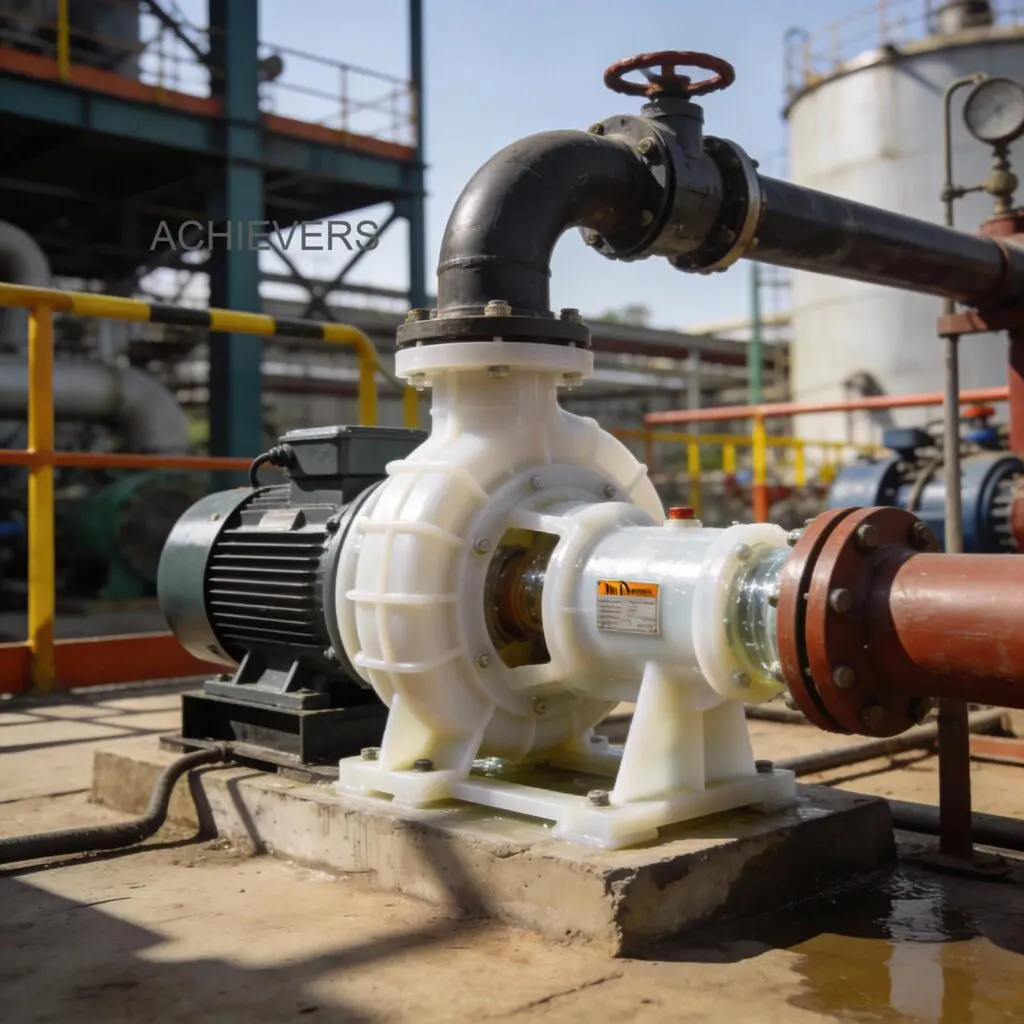
- Piping Support: Never use the pump casing to support the weight of the piping. All suction and discharge pipes must be independently supported to prevent stress on the plastic casing, which can cause cracking.
- Alignment: Proper alignment of the pump and motor shaft is critical. Misalignment causes vibration that destroys mechanical seals and bearings.
- Dry Run Protection: Plastic pumps are unforgiving of dry running (operating without liquid). The friction heat melts the seal and plastic components within seconds. Installing a dry-run protection sensor or power monitor is a wise investment.
Maintenance and AMC:
Regular inspection of the mechanical seal and impeller clearance extends pump life. Leading manufacturers offer Annual Maintenance Contracts (AMC) and calibration services. In India, having access to local spares—like impellers, O-rings, and seal kits—ensures that a minor wear-and-tear issue doesn't turn into a week-long shutdown.
Why Manufacturer Support Matters:
Choosing a supplier with deep engineering expertise ensures you get more than just a product. You get a partner who understands fluid dynamics and chemical compatibility. Companies that offer end-to-end solutions, from manufacturing to installation support, provide the assurance that the pump is correctly sized and calibrated for your specific site conditions.
Conclusion
Selecting the right PP pump for corrosive fluid handling is a balance of science and engineering. It requires a clear understanding of the chemical environment, careful consideration of mechanical features like impellers and seals, and a focus on quality construction materials. By prioritizing these performance factors over initial cost alone, industrial buyers can ensure safe, leak-free, and efficient operations for years to come.
Whether you are upgrading an existing ETP or commissioning a new chemical process line, specific gravity, temperature, and seal selection should dictate your choice. Partnering with experienced engineers who can guide you through these variables is the first step toward operational excellence.
Ready to configure the right pumping solution for your plant?
Contact our technical team today with your flow requirements and fluid details to get a precision-engineered solution tailored to your site conditions.
