
















Efficient fuel management is the backbone of operational continuity for industries across India. With diesel prices fluctuating and the constant pressure to optimize logistics and manufacturing costs, the ability to monitor fuel consumption with absolute precision is no longer a luxury—it is a necessity. For plant managers, fleet operators, and procurement heads, the challenge lies not just in buying fuel, but in accounting for every drop that flows through their systems.
In the rugged environments of Indian industry—from remote construction sites to bustling logistics hubs—equipment reliability is paramount. A minor inaccuracy in measurement can lead to significant financial losses over time, whether due to calibration drift, mechanical wear, or inefficient monitoring. This is where selecting the right Fuel Flow Meter becomes a critical decision. A robust metering system ensures transparency, prevents pilferage, and provides the data needed to calculate the true cost of operations.
Chintan Engineers has spent over 15 years engineering precision solutions for fluid handling. We understand that a "one-size-fits-all" approach does not work when dealing with the diverse viscosity and flow requirements of diesel handling. Whether you are managing a bulk storage facility or a fleet of heavy vehicles, understanding the technology behind your flow measurement system is the first step toward achieving high-accuracy fuel management.
In This Article
1. What This Product Does
At its core, the Fuel Flow Meter engineered by Chintan Engineers is designed to deliver precise volumetric measurement of diesel and other industrial fluids. These devices are built to withstand the demanding conditions of industrial sites, where dust, vibration, and continuous operation are the norms.
Unlike generic meters that may falter under the specific density and viscosity profiles of diesel, our solutions are calibrated for consistency and long-term value. The product range encompasses high-performance metering technologies capable of handling various flow rates and pressures found in industrial setups.
Key features and capabilities include:
- Precision Measurement: Engineered for high accuracy to ensure that inventory records match physical stock, minimizing variance and "unaccounted" losses.
- Industrial Durability: Constructed with robust materials to resist corrosion and wear, ensuring longevity even in harsh outdoor or factory environments.
- Versatile Integration: These meters are designed to function seamlessly within broader fuel management systems, including diesel dispensers, batching systems, and pump setups.
- Verified Calibration: Every unit undergoes rigorous testing and accurate calibration before leaving the factory, ensuring it performs within tight tolerance limits from day one.
- Fluid Compatibility: While optimized for diesel handling, the engineering behind these meters supports reliable flow measurement for various industrial fluids requiring similar handling characteristics.
By providing a verifiable data point for fuel usage, these meters act as the auditor of your fluid handling system, bridging the gap between fuel purchased and fuel consumed.
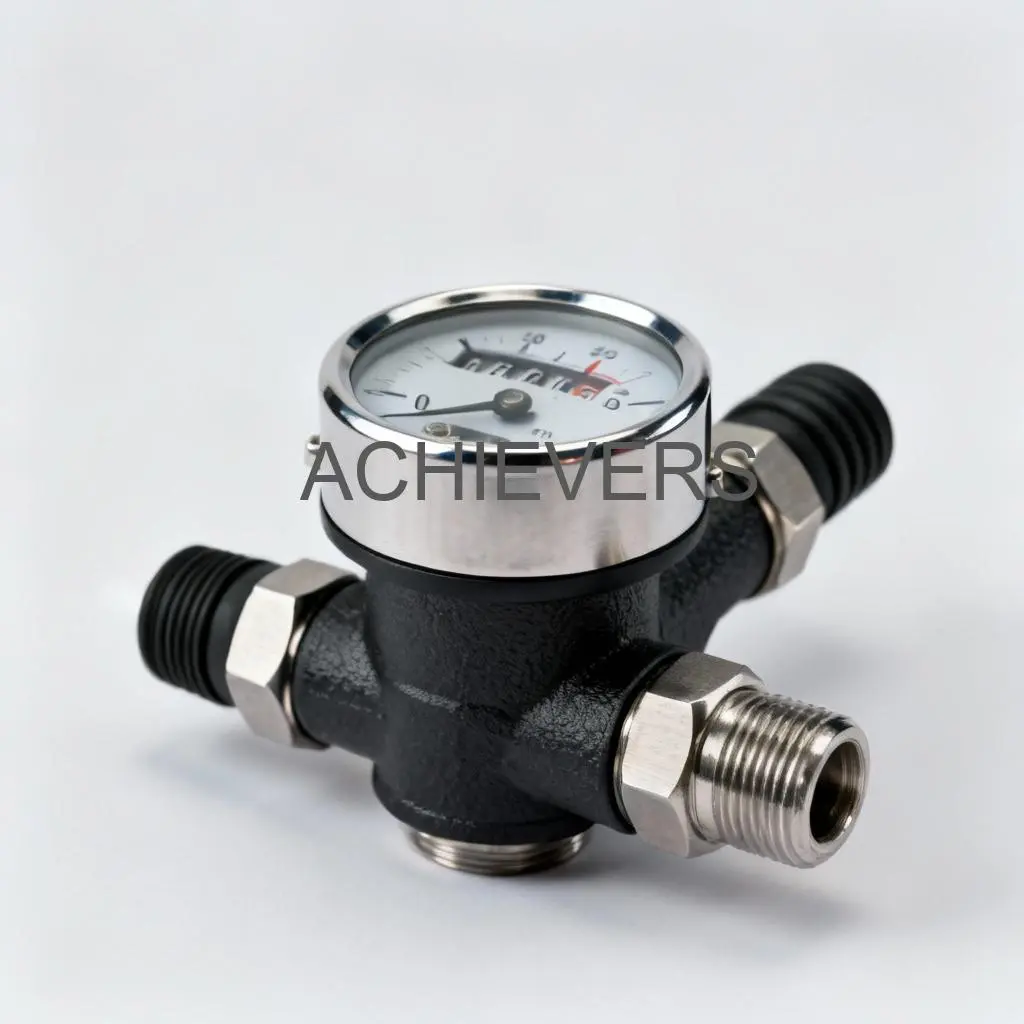
2. Choosing the Right Technology: Turbine, Positive Displacement, and Piston Meters
Selecting the correct Fuel Flow Meter requires a deep understanding of the underlying technology. For maintenance engineers and plant operators in India, the choice often narrows down to three primary technologies: Turbine, Positive Displacement (PD), and Piston meters. Each has distinct advantages depending on the flow rate, required accuracy, and the specific nature of the diesel transfer operation.
Turbine Flow Meters: High Flow, Low Viscosity
Turbine meters are often the go-to choice for high-volume transfer applications where the diesel flows at a steady, high velocity.
- How it works: A rotor (turbine) is placed in the path of the fluid. As the diesel flows past, it spins the rotor. The speed of rotation is directly proportional to the velocity of the fluid, which allows the meter to calculate the volume.
- Best for: Bulk transfer loading and unloading where flow rates are consistent.
- Considerations: Turbine meters require a relatively clean fluid stream. In Indian industrial sites where diesel might contain particulate matter, installing a strainer upstream is crucial to prevent damage to the rotor blades. They are excellent for turbine vs PD fuel flow meters comparisons when speed and volume are the priority over low-flow precision.
Positive Displacement (PD) Flow Meters: The Standard for Accuracy
When the priority is high accuracy fuel flow meter India applications, Positive Displacement meters are frequently the industry standard.
- How it works: These meters separate the fluid into fixed, discrete volumes (using gears, oval wheels, or sliding vanes) and count these volumes to determine the total flow. Because they physically entrap the liquid, they are less sensitive to changes in viscosity or flow profile disturbances.
- Best for: Custody transfer, dispensing into vehicles, and applications where accuracy is non-negotiable. They perform exceptionally well with the viscosity of diesel, which provides necessary lubrication to the internal moving parts.
- Considerations: PD meters are robust but can be larger and heavier than turbine meters. They are ideal for skid-mounted systems where the meter serves as the primary billing or accounting point.
Piston Flow Meters: Precision at Low Flows
For applications requiring measurement of lower flow rates or pulsating flows—such as measuring fuel consumption on a generator or engine test bed—piston meters are unrivaled.
- How it works: A piston oscillates within a chamber, displacing a specific volume of fluid with each stroke. This mechanical action ensures that even the smallest amount of fuel passing through is accounted for.
- Best for: Fuel consumption monitoring on engines, boilers, and smaller dispensing units.
- Considerations: These meters generally have a lower maximum flow rate capacity compared to Turbine or other PD types but offer superior turndown ratios (the range between the minimum and maximum measurable flow).
Matching Technology to Indian Site Conditions
In India, site conditions vary dramatically. A fuel flow meter for diesel handling in a mining site in Odisha faces different challenges than one in a pharmaceutical plant in Gujarat.
- Vibration and Shock: For mobile dispensing units on trucks, mechanical PD meters are often preferred for their ruggedness.
- Temperature Fluctuation: Diesel expands and contracts with temperature. High-quality meters often include or allow for temperature compensation to ensure volumetric accuracy is maintained regardless of the ambient heat.
- Power Availability: In remote logistics yards, mechanical displays (which do not require electricity) are often more reliable than digital counterparts unless a stable power supply or battery backup is ensured.
By understanding these distinctions, procurement heads can move beyond simple price comparisons and select a meter technology that ensures operational uptime and data integrity.
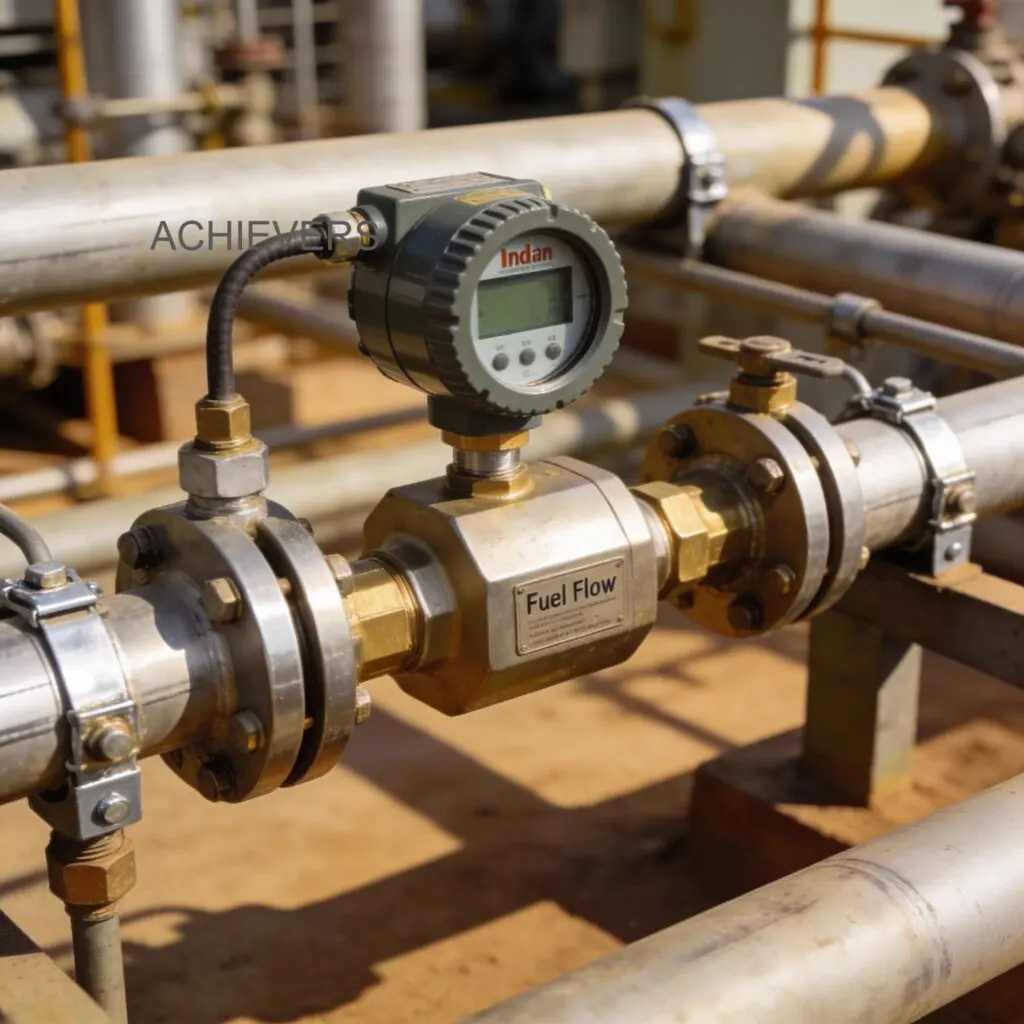
3. Selection and Configuration Guide
Choosing the right Fuel Flow Meter involves more than just picking a technology. To ensure seamless integration into your facility, you must define the operational parameters clearly. Here is a guide to navigating industrial fuel flow meter selection.
Step 1: Define Flow Rate and Line Size
The most common mistake is sizing the meter based on the pipe size rather than the flow rate.
- Minimum Flow: If your system operates below the meter's minimum rating, the meter may not register the flow (slippage), leading to under-reading.
- Maximum Flow: Operating consistently above the maximum rating causes excessive wear and pressure drop, shortening the meter's lifespan.
- Line Size: While adapters can be used, matching the meter's port size to your piping (e.g., 1 inch, 2 inch) minimizes flow disturbance.
Step 2: Determine Accuracy Requirements
Not all applications need custody-transfer grade accuracy.
- Inventory Control: If you are simply monitoring internal transfers between tanks, an accuracy of ±1.0% might be sufficient and cost-effective.
- Billing/Dispensing: For selling fuel or strict cost accounting, look for high accuracy fuel flow meter India options with ±0.5% or better accuracy and repeatability.
Step 3: Material and Seal Compatibility
Diesel is generally non-corrosive, but contaminants and additives can affect meter materials.
- Housing: Aluminum is common for mobile diesel applications due to weight, while Stainless Steel is preferred for corrosive environments or food-grade plants.
- Seals: Ensure O-rings and seals are compatible with diesel to prevent swelling or leaks over time.
Step 4: Output and Readout Preferences
How do you need to see the data?
- Mechanical Register: Simple, robust, reset-able totalizer. Ideal for remote sites with no power.
- Digital/Pulse Output: Essential for connecting to PLCs, Batching Systems, or Fuel Management Software (FMS). If you are automating your data collection, specify a meter with a pulse generator.
Checklist for Enquiry:
When contacting fuel flow meter manufacturers in India like Chintan Engineers, have the following details ready:
- Fluid: (e.g., Diesel, Kerosene, LDO)
- Flow Range: (Min LPM to Max LPM)
- Operating Pressure: (Bar / PSI)
- Temperature: (Operating and Ambient)
- Required Output: (Mechanical display only, or 4-20mA / Pulse output)
4. Typical Applications
The versatility of the Fuel Flow Meter allows it to serve a wide array of sectors. Based on our 15+ years of expertise, here are the most common applications where our meters deliver value:
- Fleet Refueling Stations: Installed on dispensing pumps to monitor the exact amount of diesel filled into trucks, buses, and heavy earthmovers. This is critical for logistics companies tracking "kilometres per litre" efficiency.
- Bulk Fuel Transfer (Loading/Unloading): Used at terminal gantries or factory gates to verify the volume of fuel received from tankers. This acts as a primary check against short-supply or theft during transit.
- Generator Fuel Monitoring: Integrated into the fuel lines of large diesel generators (DG sets) to monitor consumption rates in real-time. This helps in predictive maintenance (sudden spikes in consumption may indicate engine issues) and precise billing for power generation.
- Batching Systems: In manufacturing plants where diesel or solvents are used as ingredients or cleaning agents, the meter ensures a precise volume is dispensed into the mixing process, ensuring product quality consistency.
- Mobile Bowsers: Mounted on fuel trucks that visit construction or mining sites to refuel stationary equipment. The meter ensures the client is billed exactly for what was delivered.
5. Service, Installation, and Support
Even the best how to choose a fuel flow meter strategy fails if the installation and support are lacking. At Chintan Engineers, we believe that the sale is just the beginning of our partnership.
Proper Installation
A Fuel Flow Meter is a precision instrument. Incorrect installation is the leading cause of inaccuracy.
- Strainers: Always install a strainer upstream of the meter. Debris, welding slag, or tank rust can jam rotors or damage pistons instantly.
- Air Elimination: Air pockets in the line can spin a turbine meter rapidly, registering "phantom flow." An air eliminator is recommended for bulk transfer applications to ensuring you measure liquid, not air.
- Straight Run: For turbine meters, ensure sufficient straight pipe length before and after the meter to smooth out the flow profile.
Calibration and AMC
Over time, mechanical wear can cause slight drifts in accuracy.
- Accurate Calibration: Our facility provides verified calibration services to restore your meter to factory standards. Regular calibration is often a compliance requirement for ISO-certified companies.
- End-to-End Solutions: We offer Annual Maintenance Contracts (AMC) to ensure your metering systems—whether single units or complex skids—remain in peak condition.
- Genuine Spares: As manufacturers, we stock genuine components. Using third-party spares in precision meters can compromise the seal integrity and accuracy.
The Chintan Promise
We stand for quality workmanship and transparent communication. Our meters are built to perform under Indian conditions, backed by rigorous testing and technical experts who understand your site challenges. When you choose a Chintan Engineers Fuel Flow Meter, you are choosing a device supported by over a decade of engineering trust.
Ready to configure the right metering solution for your site?
To get a system that matches your exact flow rates and accuracy needs, contact our technical team today. Please share your fluid type, flow range, and application details, and we will engineer a solution that delivers precision and peace of mind.
