
















Efficient fuel management is the backbone of industrial operations in India, where fuel costs often represent a significant percentage of total operating expenses. For fleet managers, plant supervisors, and logistics coordinators, the ability to dispense fuel quickly, safely, and accurately is not just a convenience—it is a financial necessity. In environments ranging from dusty construction sites to busy transport depots, the reliability of your dispensing equipment directly impacts uptime and auditability.
When selecting a Fuel Dispenser for industrial use, buyers are often faced with a variety of specifications regarding flow rates, metering accuracy, and power inputs. Making the wrong choice can lead to slow refueling times that hamper productivity, or worse, inaccurate readings that cause inventory discrepancies (shrinkage). This guide explores the critical technical parameters involved in selecting the right equipment, ensuring that your investment delivers precise fuel management and long-term durability.
In This Article
1. What This Product Does
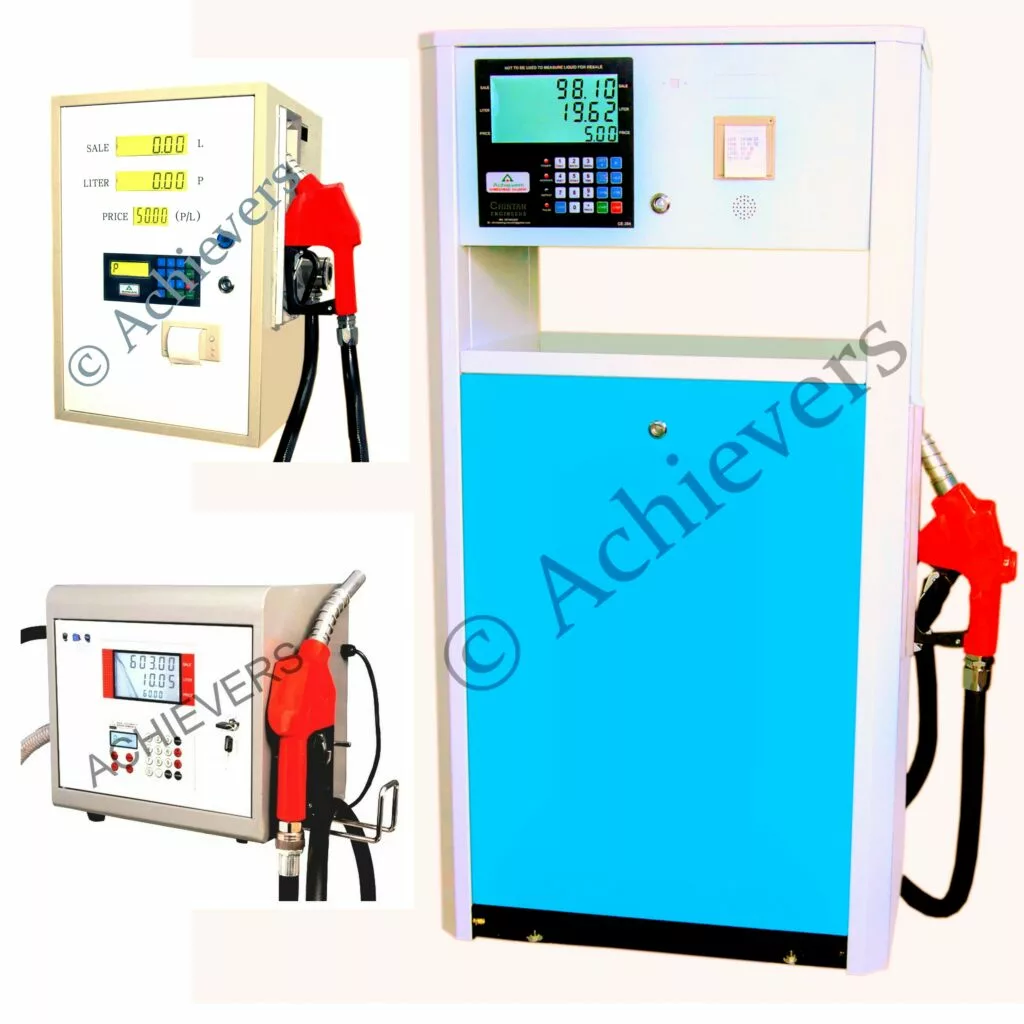
A Fuel Dispenser is an integrated system designed to transfer liquid fuel—primarily diesel in industrial contexts—from a storage tank to a vehicle or equipment tank while simultaneously measuring the volume transferred. Unlike simple transfer pumps, a dedicated dispenser is engineered for accountability and controlled delivery.
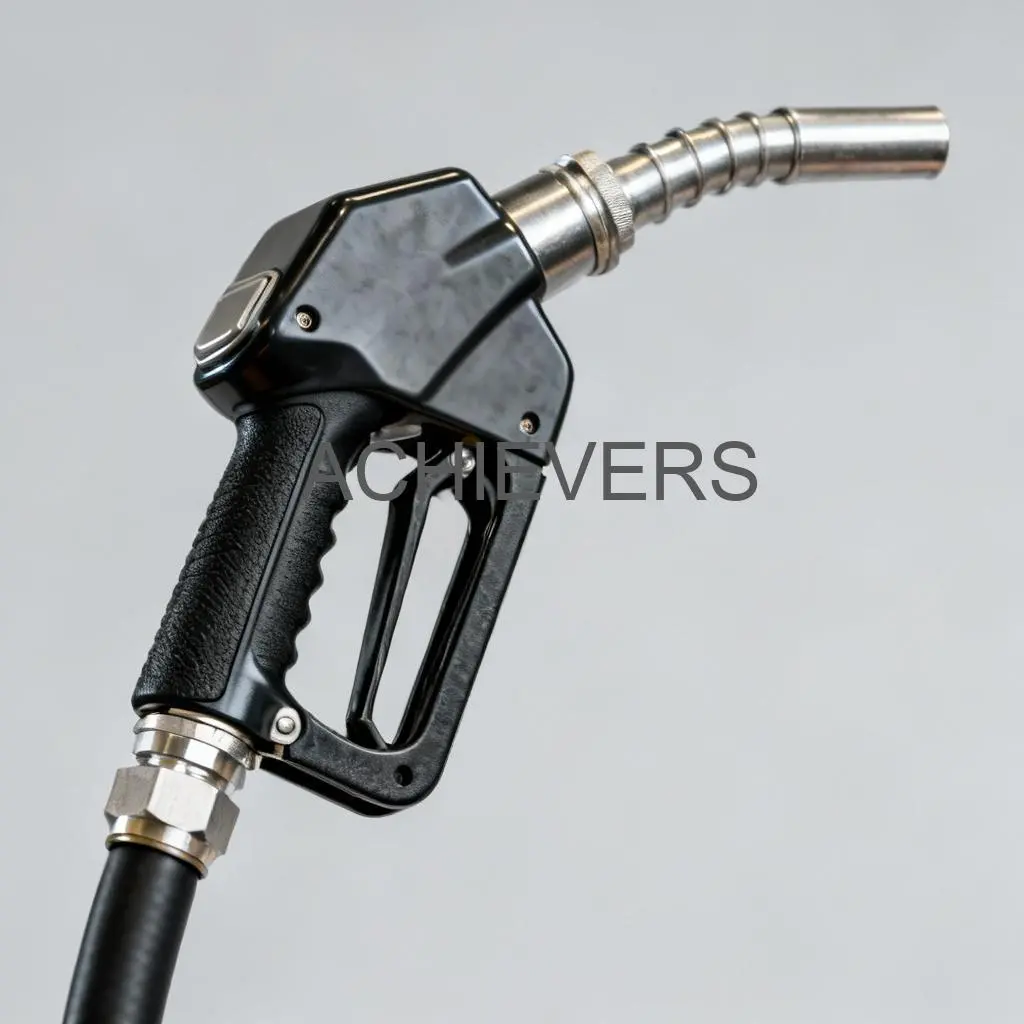
Based on our engineering standards, these units are built to withstand the rigorous demands of the Indian industrial sector. They combine high-performance pumping mechanisms with precision flow meters and durable nozzle assemblies. The core function is to facilitate the seamless movement of fuel while ensuring that every drop is accounted for.
Key technical features typically include:
- Integrated Pumping Unit: High-suction pumps capable of drawing fuel from underground or above-ground storage tanks.
- Precision Metering: Utilization of positive displacement or turbine flow meters to ensure measurement accuracy, often calibrated to strict legal metrology standards.
- Filtration Systems: Built-in strainers and filters to remove particulate matter, ensuring that the fuel entering your machinery is clean, which protects modern common-rail diesel engines.
- Robust Housing: Weather-proof enclosures designed to protect internal components from dust, moisture, and heat—common challenges in Indian industrial sites.
- Display and Control: Mechanical counters for fail-safe readability or digital displays for integration with fuel management systems.
2. Balancing Accuracy, Flow Rate, and Power Compatibility
Choosing the right equipment requires balancing several competing technical factors. This section helps industrial buyers compare key trade-offs when selecting a Fuel Dispenser—focusing on accuracy, flow rate, power options, and compatibility with diesel, petrol, and specialty fuels. It offers guidance tailored to Indian site conditions like fleet yards, depots, and remote fueling operations.
Accuracy vs. Flow Rate: The Critical Trade-off
In industrial diesel fuel dispenser selection, there is often a misconception that higher flow is always better. While high flow rates (e.g., 80 to 120 Liters Per Minute) drastically reduce the downtime of heavy trucks and mining equipment during refueling, they can introduce challenges regarding accuracy and fuel foaming.
- High Accuracy: For fleet fueling, accuracy is paramount. A high accuracy fuel dispenser for fleet fueling ensures that the volume recorded matches the volume dispensed. This is critical for calculating mileage (KMPL) and detecting theft. Precision flow meters used in these dispensers are calibrated to minimize drift over time.
- Flow Rate Dynamics: If you are refueling small vehicles or gensets, a standard flow rate (40–50 LPM) is preferable. Excessive flow rates in small tanks can cause "splash back" and foaming, leading to premature nozzle shut-off and inaccurate filling. Conversely, for large haulage trucks, a high-capacity Fuel Dispenser is essential to prevent queues in the yard.
Power Options for Indian Site Conditions
Industrial sites in India vary wildly in terms of power infrastructure.
- AC Power (220V/415V): For established depots and manufacturing plants, AC-powered dispensers offer consistent torque and higher flow capabilities. They are ideal for stationary setups where grid power is reliable.
- DC Power (12V/24V): For remote construction sites, mining areas, or mobile bowsers, DC-powered options are necessary. These units run directly off vehicle batteries, providing flexibility for "off-grid" fueling.
Fuel Compatibility
While diesel is the primary fuel for industry, compatibility with other fluids matters. A fuel dispenser for petrol and diesel requires components (seals, gaskets, pumps) that are certified explosion-proof (ATEX/PESO standards) due to the volatility of petrol. Industrial fluid handling also extends to kerosene or biofuels. Ensuring the wetted parts of the dispenser are compatible with the specific chemical properties of your fuel prevents leaks and seal degradation.

3. Selection and Configuration Guide
To configure the correct Fuel Dispenser for your specific needs, you must move beyond generic specifications and look at your operational data. Here is a guide to navigating the selection process effectively.
Assessing Your Volume and Throughput
The first step in diesel fuel dispensing solutions India is understanding your daily throughput.
- Low Volume (<1000 Liters/day): A compact, standard-duty dispenser with a mechanical counter is often sufficient and cost-effective.
- High Volume (>5000 Liters/day): Heavy-duty models with digital flow meters and reinforced pumps are required to handle the thermal load and wear associated with continuous operation.
Metering Technology
- Mechanical Registers: Preferred in remote areas or harsh environments where power fluctuations might damage digital electronics. They are robust, easy to repair, and offer a permanent non-resettable totalizer.
- Electronic/Digital: Necessary if you plan to connect the dispenser to a PC-based fuel management system or need features like preset dispensing (e.g., "dispense exactly 50 liters").
Industrial Fuel Dispenser Setup Guide: What to Communicate
When sending an enquiry to fuel dispenser manufacturers in India, providing specific details ensures you receive a quote for a system that actually fits your needs. Be prepared to answer the following:
Operational Parameters:
- What is the primary fuel type (Diesel, Bio-diesel, Petrol)?
- What is the required flow rate (LPM)?
- Is the power source AC (single/three-phase) or DC (battery)?
- Is the suction type negative (underground tank) or flooded (overhead tank)?
Site Conditions:
- Is the location hazardous (requiring flame-proof motors)?
- Will the unit be exposed to direct rain/sun, or will it be under a canopy?
- Do you need a printer attachment for physical receipts?
4. Typical Applications
Our Fuel Dispenser units are engineered to serve a wide array of sectors, driven by the need for "End-to-End Solutions" and "Innovative Design."
- Logistics and Fleet Management:
Transport companies with large fleets of trucks use these dispensers to refuel vehicles in-house. This allows for bulk fuel purchasing (saving costs) and tight control over inventory, preventing unauthorized fuel theft.
- Manufacturing and Industrial Plants:
Factories often maintain onsite diesel storage for backup generators (DG sets) and forklifts. A stationary dispenser ensures that fuel is transferred safely to these critical assets without spillage, maintaining a clean and safe shop floor.
- Infrastructure and Construction Projects:
Remote sites dealing with earthmovers, excavators, and cranes require robust dispensing solutions. Often mounted on mobile skid systems or bowsers, these dispensers must perform reliably in dusty environments where grid power is unavailable.
- Mining and Energy:
The energy sector demands high-performance equipment. Dispensers in these environments must handle high-volume transfers for heavy machinery, often operating 24/7. Reliability and "Quality Workmanship" are non-negotiable here to prevent costly operational stoppages.
5. Service, Installation, and Support
Even the highest quality engineering requires proper installation and maintenance to retain its accuracy and lifespan. As a company "Driven by Innovation" and "Customer Commitment," we emphasize that the sale is just the beginning of the lifecycle.
Proper Installation
Installation should always be performed by technical experts or under the guidance of the manufacturer. Critical aspects include:
- Suction Line Sizing: Ensuring the pipe diameter matches the pump's capacity to prevent cavitation.
- Electrical Grounding: Proper earthing is vital for safety, especially when handling flammable hydrocarbons, to dissipate static electricity.
- Anchoring: The unit must be securely bolted to a concrete plinth to prevent vibration-induced damage to internal pipework.
Calibration and AMC
Over time, mechanical wear or electronic drift can affect the accuracy of any flow meter.
- Accurate Calibration: Regular calibration verification using a certified volumetric measure is essential. We ensure our products are "Verified and certified for consistency" before they leave the factory, but field calibration is a recommended periodic maintenance task.
- Annual Maintenance Contracts (AMC): Engaging in an AMC ensures that filters are changed, strainers are cleaned, and belts/seals are inspected regularly. "Enduring Support" means having access to genuine components and technical experts who understand the specific nuances of Indian operating conditions.
Nationwide Reach
For industrial buyers, it is crucial to choose a partner with a nationwide reach. Whether your site is in a metropolitan industrial zone or a remote project site, the availability of spare parts and troubleshooting support is key to minimizing downtime.
Contact Us for Your Configuration
Selecting the right Fuel Dispenser is a balance of understanding your flow requirements, power availability, and accuracy needs. Don't settle for a one-size-fits-all approach.
Get a precision solution tailored to your site.
Contact Chintan Engineers today to discuss your specific requirements. When you reach out, please share:
- Product Name: Fuel Dispenser
- Application: (e.g., Fleet yard, Gen-set filling, Mobile bowser)
- Flow Rate Needed: (e.g., 40 LPM, 80 LPM)
- Power Source: (AC or DC)
Our team of technical experts is ready to help you configure a system that delivers reliability, accuracy, and long-term value.
