
















In the cost-sensitive landscape of Indian industrial operations, fuel often represents one of the largest recurring operational expenses. Whether for a logistics fleet, a construction site running earthmovers, or a manufacturing plant relying on diesel generators, unmonitored fuel consumption leads to significant financial leakage. For plant engineers and procurement managers, the challenge is not just buying fuel, but ensuring that every drop paid for is accounted for. This is where a high-precision Diesel Flow Meter becomes indispensable.
Reliable flow measurement is the cornerstone of fuel management. However, the Indian industrial environment presents unique challenges—dust, varying temperatures, and rugged usage patterns—that generic flow meters often fail to withstand. To maintain operational efficiency and accurate job costing, industries require metering solutions engineered specifically for diesel’s viscosity and the harsh realities of site conditions. This article explores the technical nuances of selecting the right metering equipment to ensure transparency, accountability, and long-term value.
In This Article
1. What a Diesel Flow Meter Does and How It Performs
At its core, the Diesel Flow Meter is a precision instrument designed to measure the volumetric flow rate of diesel fuel as it moves through a pipeline or dispensing system. Unlike water meters, which operate on different viscosity principles, these devices are calibrated specifically for the density and lubricating properties of diesel.
Based on the engineering standards maintained by Chintan Engineers, these meters are built to deliver high-performance flow measurement in demanding environments. They serve as the critical "cash register" for your fuel, providing data that validates vendor deliveries or tracks internal consumption across different assets.
Key Technical Capabilities:
- Volumetric Accuracy: Designed to minimize error margins, ensuring that the reading on the counter matches the actual volume dispensed. This is critical for inventory reconciliation.
- Robust Construction: Industrial fuel metering solutions must withstand vibration, external impact, and exposure to elements. The construction typically involves durable materials compatible with hydrocarbons to prevent corrosion or seal degradation over time.
- Flow Range Versatility: These meters are engineered to handle specific flow rates (Liters Per Minute – LPM). Operating within the designated range ensures repeatability and linearity in measurement.
- Integration Potential: Many modern iterations can be integrated with pumps, batching systems, or fleet management software, transforming a simple mechanical reading into actionable digital data.
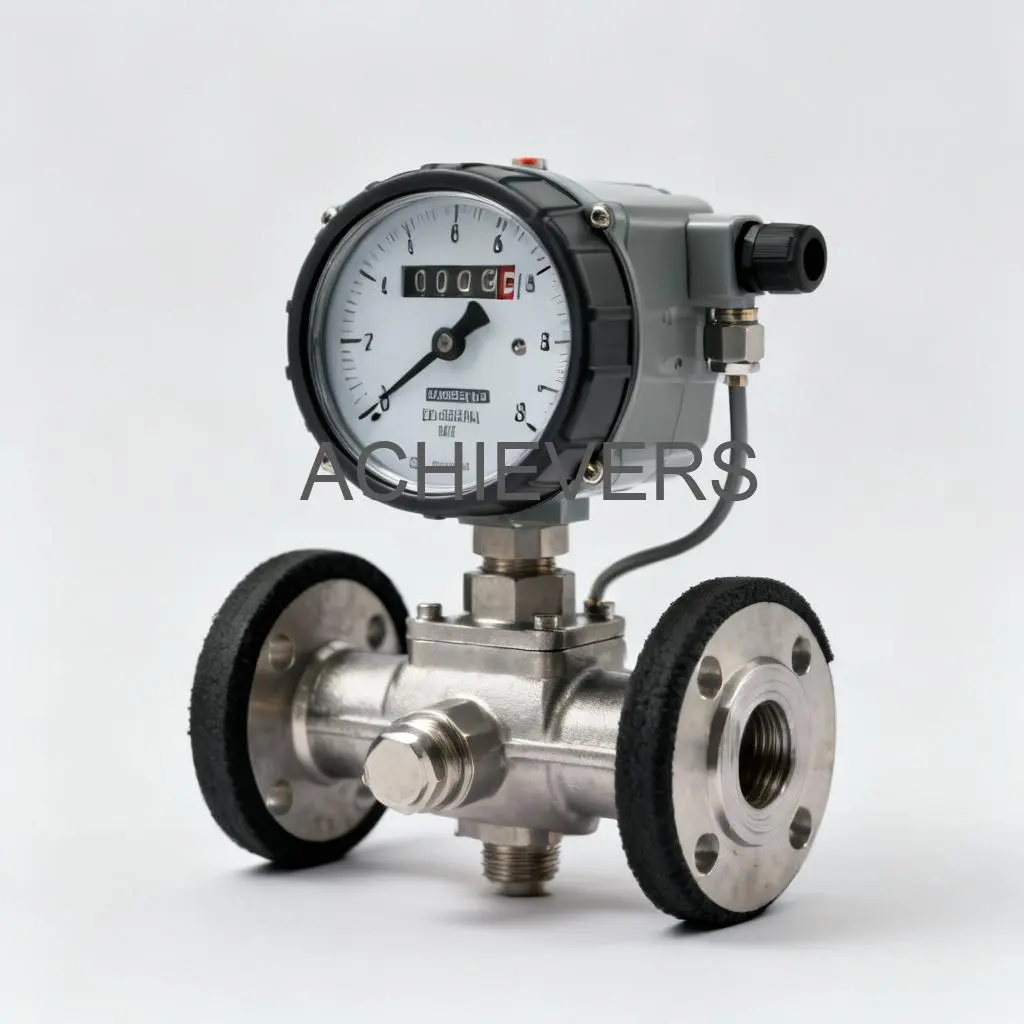
The primary function is to provide a verified account of fuel transfer. Whether used in gravity-fed systems or pumped applications, the device utilizes internal mechanisms—typically positive displacement or turbine technology—to capture flow data. This data is essential for diesel flow meter for industrial fuel monitoring, allowing managers to detect theft, identify inefficient machinery, and schedule maintenance based on actual fuel usage rather than estimated hours.
2. Selecting the Right Meter: Critical Considerations for Indian Industries
Choosing the correct metering device is not a "one-size-fits-all" process. A meter perfectly suited for a high-speed fueling station may fail miserably if installed on a low-flow generator return line. This section guides fleet operators and engineers on selecting a Diesel Flow Meter by analyzing flow range, accuracy requirements, output types, and fluid properties.
Matching Flow Range to Application
The most common mistake in diesel flow meter selection guide scenarios is oversizing the meter. Meters have a minimum and maximum flow rating.
- Low Flow: If you are measuring consumption on a small genset, the flow rate might be very low. A large meter may allow diesel to slip through unmeasured (slippage), resulting in under-reading.
- High Flow: Conversely, pushing a small meter beyond its maximum capacity creates excessive pressure drop and wears out internal components rapidly, leading to failure.
- The Rule: Always select a meter where your typical operating flow rate falls within 30% to 70% of the meter’s maximum capacity.
Accuracy vs. Repeatability
In custody transfer applications (where fuel changes ownership, like buying from a tanker), high accuracy is non-negotiable.
- Custody Transfer: Requires stringent calibration and low error margins (e.g., ±0.5% or better).
- Internal Monitoring: For tracking departmental usage, a slightly wider error margin might be acceptable if the repeatability is high. You need to know that if the meter says 100 liters today, it means the same volume as 100 liters yesterday.
Viscosity and Temperature Effects
Diesel viscosity changes with temperature. In the scorching heat of an Indian summer versus a cold winter morning, the fluid characteristics shift slightly.
- Mechanical Considerations: A robust Diesel Flow Meter handles these viscosity shifts better than inferential meters (like simple turbines) which might drift without recalibration.
- Pressure Drop: Higher viscosity (or cold diesel) increases pressure drop across the meter. Ensure your pump has enough head pressure to push the fuel through the meter without cavitating.
Output Type: Mechanical vs. Digital
- Mechanical Registers: These are preferred in remote mining or construction sites where power supply is unreliable. They are rugged, weather-resistant, and simple to read.
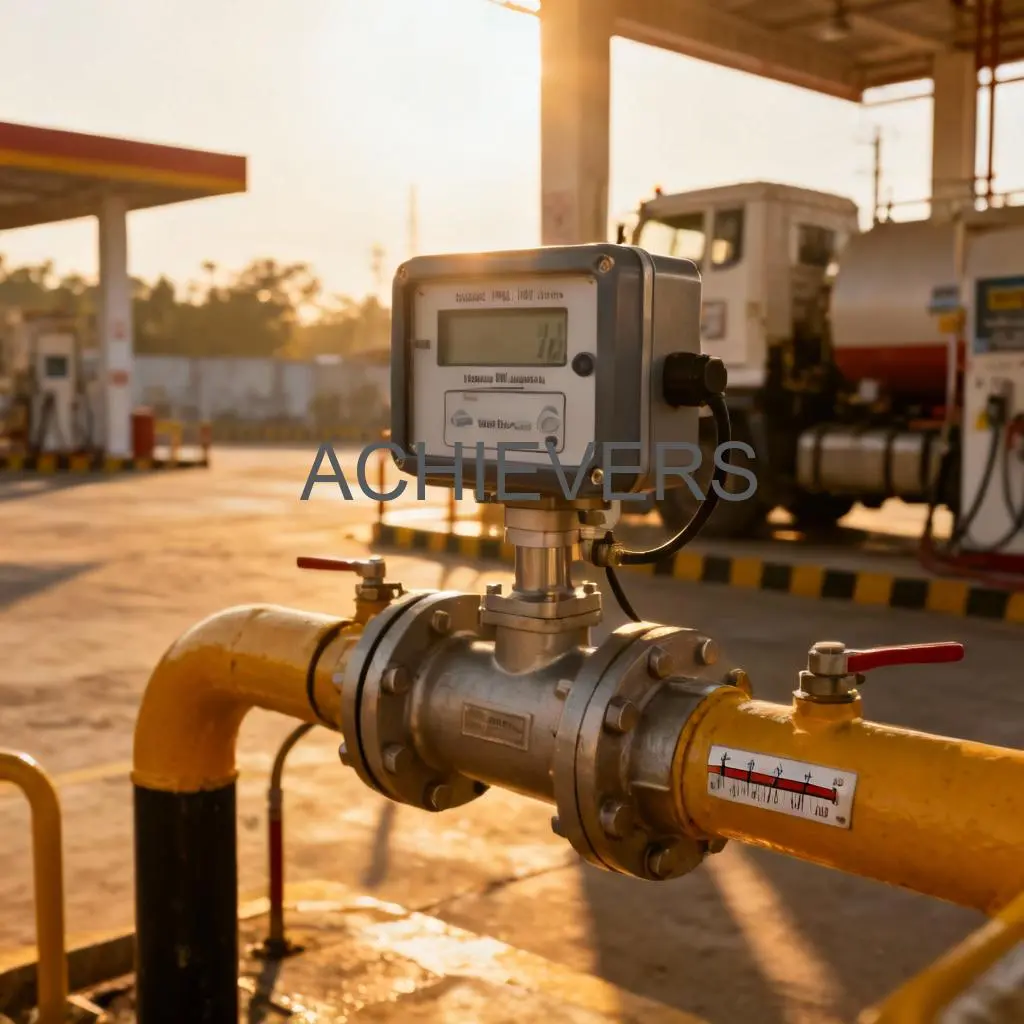
- Digital/Pulse Output: For modern "Smart Factory" setups, you need a meter that generates a pulse (e.g., 4-20mA or Modbus). This allows the flow meter to talk to a PLC or a fuel management system, enabling real-time data logging and remote monitoring.
3. Configuration and Specification Guide
When approaching diesel flow meter manufacturers in India, clarity in your enquiry ensures you receive a system that performs. Vague requests lead to mismatched specifications. Here is how industrial buyers should configure their selection.
Essential Configuration Parameters
To achieve accurate diesel measurement in Indian industries, you must define the physical installation constraints and the fluid dynamics.
1. Meter Sizing and Connection:
- Line Size: Do not just match the pipe size. Match the flow rate. It is common to use reducers to fit a 1-inch meter into a 2-inch line if the flow rate dictates it.
- Connection Type: Determine if you need BSP/NPT threads (common for smaller sizes) or Flanged connections (ASA/DIN) for secure, leak-proof installation in high-vibration environments.
2. Orientation and Mounting:
- Some meters must be installed horizontally; others are omnidirectional.
- Check if the dial/display can be rotated. If the pipe runs vertically, you need a meter where the display can be adjusted to face the operator.
3. Filtration Requirements:
- Diesel in industrial environments is rarely pristine. Rust, sludge, and tank sediments can jam precision rotors.
- Mandatory Accessory: Always specify a strainer or filter upstream of the Diesel Flow Meter. A 40-mesh or 80-mesh strainer is standard to protect the measuring chamber from debris.
Checklist for Supplier Enquiry:
When contacting a manufacturer, have the following data ready to ensure a rapid and accurate quote:
- Fluid: Diesel (mention if any additives are used).
- Flow Rate: Min LPM, Max LPM, Normal Operating LPM.
- Operating Pressure: Bar/PSI.
- Temperature: Max °C.
- Readout: Mechanical Counter or Digital Display.
- Output Signal: None / Pulse / 4-20mA.
- Line Size: Inches/mm.
4. Typical Industrial Applications
The versatility of the Diesel Flow Meter allows it to serve multiple sectors. Based on the engineering expertise at Chintan Engineers, here are the most common high-value applications.
Fleet Refueling and Logistics
For transport companies operating trucks and buses, fuel is the primary cost. Installing flow meters at the dispensing pump allows fleet managers to cross-reference the fuel dispensed against the tank capacity and distance traveled. This immediate reconciliation helps identify pilferage or inefficient driving behaviors.
Diesel Generator (DG) Set Monitoring
In manufacturing plants, DG sets are critical for backup power. However, they are often located in remote corners of the facility. Installing a flow meter on the feed line (and the return line for differential measurement) provides accurate data on fuel consumption per kWh generated. This is vital for calculating the true cost of power generation during grid outages.
Construction and Mining Equipment
Earthmovers, excavators, and cranes often work in isolated sites. Mobile refueling bowsers equipped with robust diesel flow meters ensure that every liter pumped from the tanker into the heavy equipment is recorded. This prevents "short-filling" by vendors and ensures accurate project costing.
Boiler and Furnace Feed
Industrial boilers rely on precise fuel atomization. A flow meter in the feed line helps plant engineers monitor the fuel-to-air ratio indirectly by tracking fuel consumption rates. Sudden spikes in flow without a corresponding increase in thermal output can indicate leaks or burner inefficiencies.
5. Service, Installation, and Support
Even the best industrial fuel metering solutions will fail if installed incorrectly or ignored after commissioning. Reliability is a function of both product quality and maintenance discipline.
Best Practices for Installation
- Air Elimination: Air pockets spinning the meter rotor will register as fuel, leading to "air counting" and inflated costs. Install an air eliminator before the meter, especially in applications where tanks run dry or pumps cavitate.
- Straight Runs: To ensure flow profile stability, maintain a straight pipe run of at least 10 diameters upstream and 5 diameters downstream of the meter (depending on the technology used).
- Vibration Isolation: In high-vibration areas (like near DG sets or heavy pumps), use flexible hoses to connect the meter to the rigid piping. This prevents mechanical stress from cracking the meter body or damaging the register.
Calibration and AMC
Over time, mechanical wear or sludge buildup can cause meter drift.
- Calibration: Periodic calibration against a master meter or a standard volumetric can is essential. Chintan Engineers emphasizes accurate calibration that is verified and certified for consistency.
- Spares Availability: Sourcing from local manufacturers ensures that if a seal fails or a rotor is damaged, spare parts are readily available. Relying on obscure imported brands often leads to weeks of downtime waiting for components.
An Annual Maintenance Contract (AMC) is recommended for critical sites. Regular cleaning of strainers and verification of accuracy ensures that the data driving your decisions remains trustworthy.
Take Control of Your Fuel Costs
Choosing the right diesel flow meter is not just a purchase; it is an investment in operational transparency. By selecting a device that matches your flow rates, pressure conditions, and data requirements, you effectively close the loop on fuel accountability.
At Chintan Engineers, we combine over a decade of expertise in industrial flow and dispensing systems to deliver solutions built for the rigors of Indian industry. From precise manufacturing to rigorous testing and after-sales support, we ensure your fuel management is accurate and reliable.
Ready to configure the perfect metering solution for your facility?
Contact our technical team today with your:
- Application details (Dispensing, Generator, or Transfer)
- Pipe size and Flow rate
- Site conditions
Let us help you engineer a solution that turns fuel data into operational savings.
