
















In the fast-evolving landscape of Indian manufacturing, precision is no longer a luxury—it is a necessity. Whether handling expensive lubricants, managing bulk diesel transfers, or blending specialty chemicals, the difference between profit and loss often lies in the accuracy of fluid measurement. Manual dispensing methods are prone to human error, spillage, and inconsistent product quality, which can disrupt supply chains and inflate operational costs. For industries aiming to modernize their fluid handling operations, a robust Liquid Batching System is the foundational step toward automation and efficiency.
Industrial plants across India face unique challenges, from fluctuating ambient temperatures affecting fluid properties to the rugged demands of continuous operation. Implementing a reliable batching solution ensures that exact quantities of fluid are dispensed every time, maintaining product consistency and safety. This article explores the technical nuances of selecting the right system for your facility, focusing on the specific requirements of high-viscosity fluids and diverse industrial applications.
In This Article
1. What the Liquid Batching System Does
At its core, the Liquid Batching System engineered by Chintan Engineers is a precision-driven solution designed to automate the dispensing of liquids. Unlike simple manual valves or visual measurements, this system integrates high-performance flow measurement technology with automated control logic to deliver "End-to-End Solutions" for fluid management.
Based on the engineering expertise that drives Chintan Engineers, these systems are built to handle the rigors of industrial environments. The system typically operates by measuring the flow rate and total volume of a fluid passing through a pipeline. Once the pre-set volume is reached, the controller signals a valve or pump to shut off immediately, ensuring precise cutoff and zero wastage.
Key Technical Features & Capabilities:
- Precision Measurement: Utilizes advanced flow meter technologies to ensure accurate metering for fluid batching, verified by rigorous calibration processes.
- Automated Control: The system replaces manual oversight with automated batch controllers or PLC integration, reducing labor costs and human error.
- Robust Construction: Designed for durability, the system components are selected to withstand the chemical properties of the fluid and the physical demands of the plant environment.
- Versatility: Capable of handling a wide range of fluids, from low-viscosity fuels like diesel to thicker mediums like lubricants and additives.
The design philosophy emphasizes "Quality Workmanship" and "Accurate Calibration," ensuring that the system performs consistently under varying conditions. Whether it is integrated into a larger blending facility or used as a standalone dispensing unit, the primary goal is to deliver reliability and long-term value.
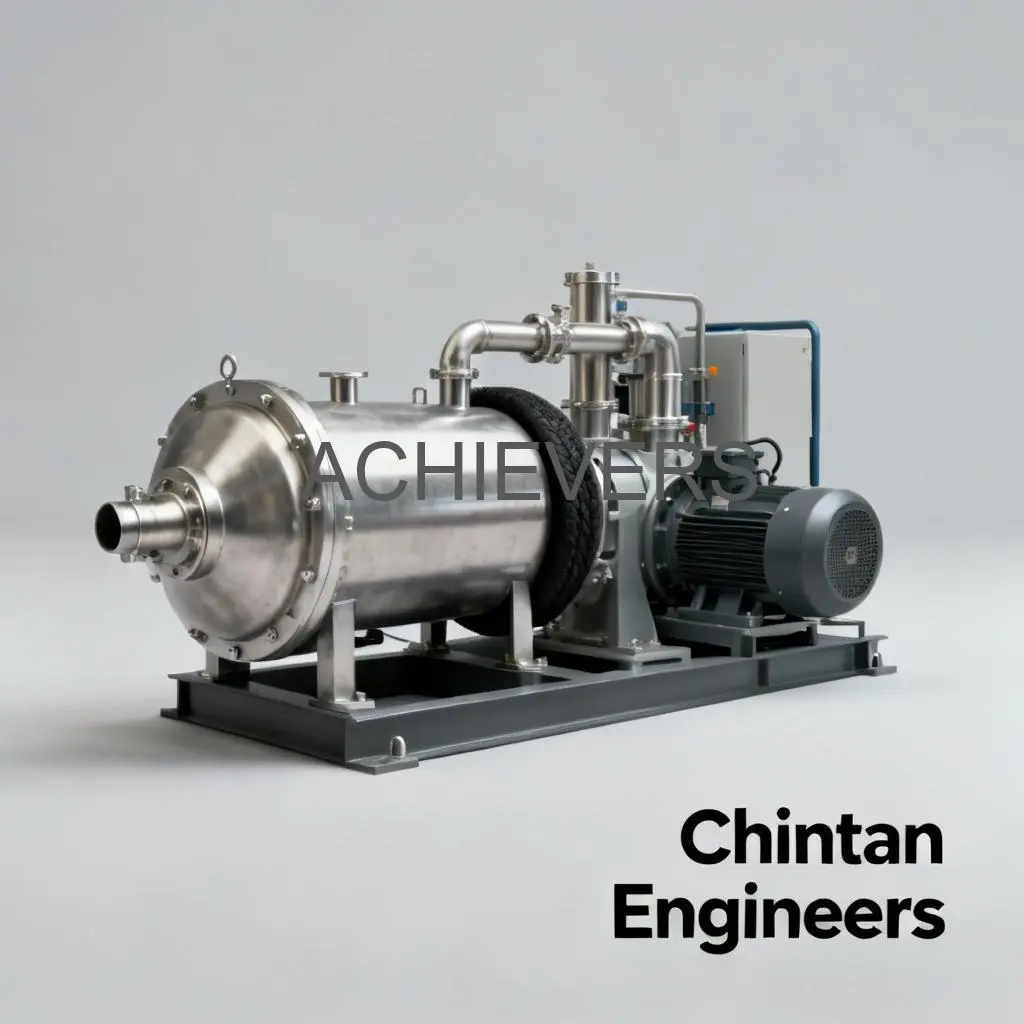
2. Selecting the Right System for High-Viscosity Fluids
Selecting a Liquid Batching System for standard water-like fluids is relatively straightforward. However, the challenge significantly increases when dealing with high-viscosity fluids such as heavy oils, gear lubricants, resins, or chemical pastes. For industrial engineers and procurement teams, understanding the interplay between fluid resistance (viscosity) and system components is critical.
This section guides you through the technical parameters required to configure a system that offers both speed and precision, specifically tailored for liquid batching system for lubricants and diesel.
Fluid Viscosity and Flow Meter Technology
High-viscosity fluids resist flow, creating backpressure in the pipeline. A standard turbine meter, which works well for diesel, may fail or lose accuracy with thick lubricants because the fluid drag prevents the turbine blades from spinning freely.
- For Diesel (Low Viscosity): Turbine or impeller-type flow meters are often sufficient, offering high throughput and good accuracy.
- For Lubricants/Chemicals (High Viscosity): Positive Displacement (PD) flow meters (such as oval gear or sliding vane types) are essential. They mechanically trap precise volumes of fluid, ensuring that accuracy is maintained regardless of viscosity changes due to temperature fluctuations.
Flow Rate vs. Line Pressure
Choosing the correct line size is vital. Pushing a thick fluid through a small pipe at high speeds can cause cavitation or excessive pump strain.
- Throughput Requirements: Determine the volume required per batch and the available time. For example, filling a 200-liter drum in 2 minutes requires a flow rate of 100 LPM.
- Pressure Drop: Ensure the pump and piping are sized to handle the increased pressure drop caused by viscous fluids. The batching system valves must also be rated to close against this pressure without hammering.
Control Logic: PLC vs. Preset Controllers
Modern Indian factories are increasingly moving toward PLC based liquid batching solutions.
- Standalone Preset Controllers: Ideal for simple, repetitive tasks like filling drums at a fixed station. The operator enters the value, presses start, and the system stops automatically.
- PLC Integration: For complex blending operations where the batching system must communicate with a central SCADA or DCS, a PLC-based approach is superior. It allows for recipe management, data logging, and remote monitoring of batch history.
Safety and Compliance
Handling flammable fluids like diesel or volatile solvents requires strict adherence to safety norms.
- Flameproof Components: If the system is installed in a hazardous zone (Zone 1 or Zone 2), the electronic components (motors, solenoids, batch controllers, sensors) must be FLP (Flameproof) certified.
- Emergency Stops: The system design must incorporate immediate shut-off capabilities in case of line rupture or overflow.
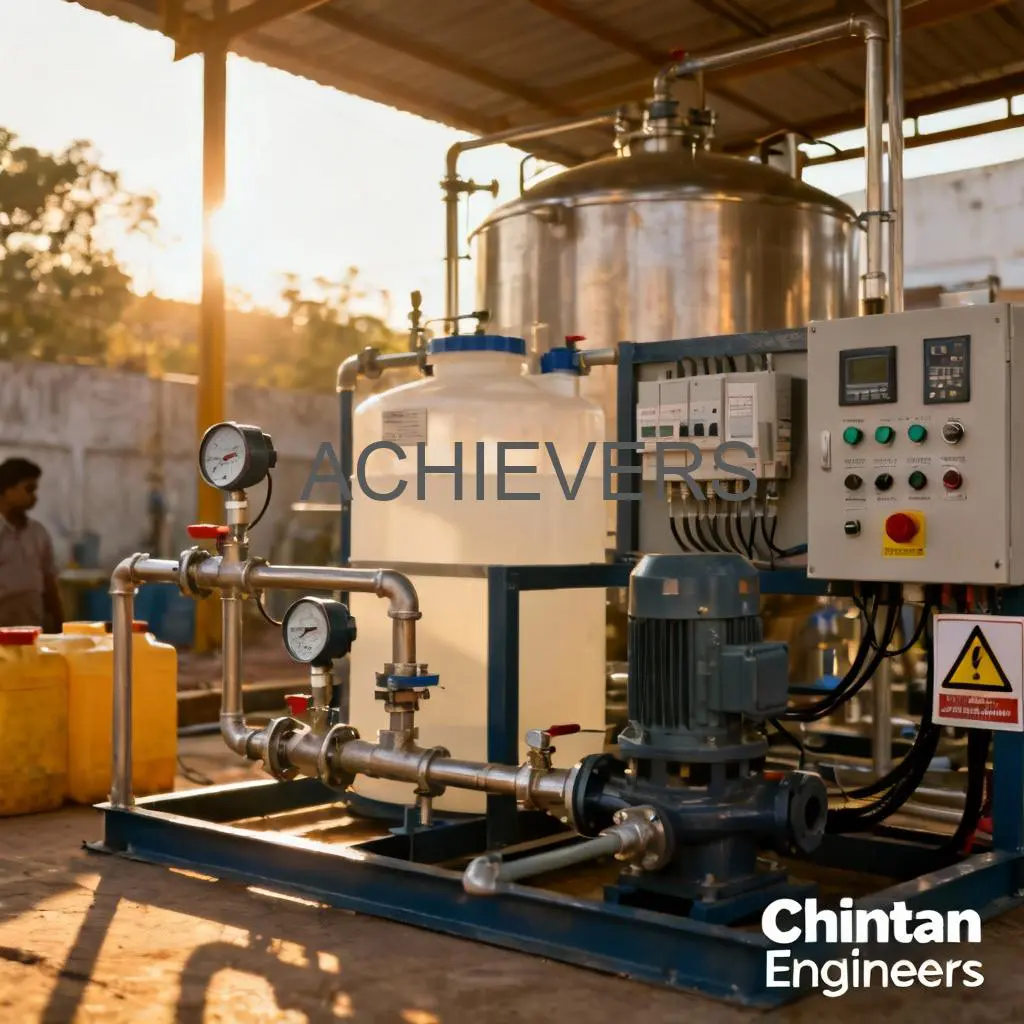
3. Configuration and Selection Guide
When enquiring with liquid batching system manufacturers in India, providing generic requirements often leads to suboptimal quotes. To ensure you receive a system that matches your operational needs, you must define the configuration based on the specific fluid and site conditions.
Step 1: Define the Fluid Characteristics
- Name of Fluid: (e.g., Diesel, Lube Oil ISO 68, Sulfuric Acid)
- Viscosity: Measured in cSt or CPS at operating temperature.
- Temperature: Min/Max operating range. (Temperature affects viscosity and material expansion).
- Chemical Compatibility: This determines the material of construction (MOC).
- Stainless Steel (SS304/316): Essential for corrosive chemicals and food-grade applications.
- Aluminium/Cast Iron: Often suitable for diesel and non-corrosive oils.
Step 2: Determine Automation Levels
- Simple Batching: Manual start, auto-stop. Best for filling stations.
- Recipe Batching: System stores multiple "recipes" (e.g., Batch A = 50L, Batch B = 200L).
- Data Logging: Do you need a printer to generate a ticket for every batch? Do you need the data saved to a USB or server?
Step 3: Mechanical Installation Requirements
- Mounting: Skid-mounted (portable) or wall/pipeline mounted (fixed).
- Power Supply: Standard industrial 415V/230V AC or 12V/24V DC for mobile truck-mounted applications.
Checklist for Buyer-Supplier Communication:
- [ ] Target flow rate (LPM or m³/hr)
- [ ] Required accuracy (e.g., ±0.5% or ±0.2%)
- [ ] Inlet pressure availability (Gravity feed or Pump feed)
- [ ] Hazardous area classification (Safe area vs. Flameproof)
4. Typical Industrial Applications
The versatility of industrial liquid batching systems allows them to be deployed across a wide spectrum of sectors in India. Based on Chintan Engineers’ expertise in fuel management and fluid handling, the following applications are most common:
1. Fleet Fuel Management (Diesel)
Transport depots and mining sites use batching systems to dispense precise fuel quantities into trucks and heavy earthmovers. This prevents fuel theft and ensures accurate consumption tracking per vehicle.
2. Lubricant and Oil Blending
Lube blending plants require accurate metering for fluid batching to mix base oils with additives. A batching system ensures the exact ratio of ingredients is maintained, which is critical for the final quality of the engine oil or hydraulic fluid.
3. Chemical & Pharmaceutical Manufacturing
In reactor charging applications, specific amounts of solvents or reactants must be added to a vessel. Batching systems replace manual weighing or dip-rod measurements, significantly improving safety by reducing operator exposure to hazardous fumes.
4. Paint and Resin Industry
High-viscosity batching systems are extensively used to fill drums and IBC tanks with paints, resins, and emulsions. The system's ability to handle thick fluids without clogging or losing accuracy is vital here.
5. Service, Installation, and Support
Even the highest quality hardware requires proper installation to perform correctly. Chintan Engineers emphasizes "Enduring Support," ensuring that the liquid batching system operates reliably for years.
Installation Best Practices
- Filtration: Always install a strainer before the flow meter. Debris or welding slag from pipelines can jam the rotors of a PD meter or damage turbine blades.
- Air Elimination: Air pockets in the line can cause "air counting," where the meter registers air as fluid, leading to inaccuracies. An air eliminator is recommended for high-accuracy applications.
- Calibration: The system typically comes with "Accurate Calibration – Verified and certified" from the factory. However, onsite calibration during commissioning is recommended to account for specific piping configurations and fluid properties.
Maintenance and AMC
Regular maintenance prevents unexpected downtime.
- Periodic Calibration: Check accuracy every 6–12 months or as per statutory norms.
- Seal Inspection: For chemical applications, check seals and O-rings for degradation.
- AMC Services: Opting for an Annual Maintenance Contract (AMC) ensures that technical experts review the system health regularly, updating firmware or replacing wear parts like pump impellers or meter gears before they fail.
Call to Action
Choosing the correct liquid batching system is a balance of engineering precision and practical site requirements. Whether you are upgrading a diesel dispensing point or setting up a new chemical batching line, selecting the right configuration is key to operational efficiency.
Get a Custom Configuration for Your Plant
Don't guess your specifications. Contact Chintan Engineers today to discuss your exact requirements. Our technical team is ready to engineer a solution tailored to your needs.
Please have the following details ready when you contact us:
- Product Name: Liquid Batching System
- Fluid Name & Viscosity: (e.g., Diesel, Gear Oil, Solvent)
- Flow Rate Required: (e.g., 50 LPM, 200 LPM)
- Application Type: (e.g., Truck Loading, Drum Filling, Process Batching)
Reach out to us to ensure your facility is powered by precision and engineering excellence.
