
















For industrial operations in India, fuel is often one of the largest recurring operational expenses. Whether you manage a logistics fleet, a construction site, or a manufacturing plant with large DG sets, the precise measurement of diesel and petrol consumption is critical for profitability. However, even the most robust Fuel Flow Meter can deliver inaccurate data if it is installed incorrectly.
In the harsh and demanding environments of Indian industry—ranging from dusty mining sites to humid coastal refineries—installation oversights are common. These errors lead to inventory variance, undetected theft, and premature equipment failure. This article explores the technical nuances of installing flow measurement systems and highlights the specific mistakes that maintenance teams must avoid to ensure long-term accuracy and reliability.
In This Article
1. Understanding the Fuel Flow Meter
Before diving into installation mechanics, it is essential to understand the core function of the product. A Fuel Flow Meter is a precision instrument engineered to measure the volume of liquid fuel moving through a pipeline. Unlike simple water meters, these devices are designed to handle the specific viscosity, chemical properties, and flow dynamics of hydrocarbon fuels like diesel, petrol, and kerosene.
Based on Chintan Engineers’ expertise in fluid handling, these meters are built to deliver high-performance results in sectors such as logistics, energy, and manufacturing. They are characterized by:
- Precision Engineering: Designed for low error margins to ensure that every liter dispensed is accounted for.
- Durability: Constructed to withstand the vibration, pressure, and environmental factors common in industrial skids and mobile bowsers.
- Versatility: Suitable for gravity feed or pump-driven applications, depending on the specific model configuration selected.
The primary goal of this equipment is to provide "Accurate Calibration," a core promise of our engineering philosophy. However, the meter is only one part of a larger hydraulic system. If the piping, filtration, or mounting is flawed, the meter cannot perform to its calibrated standard.
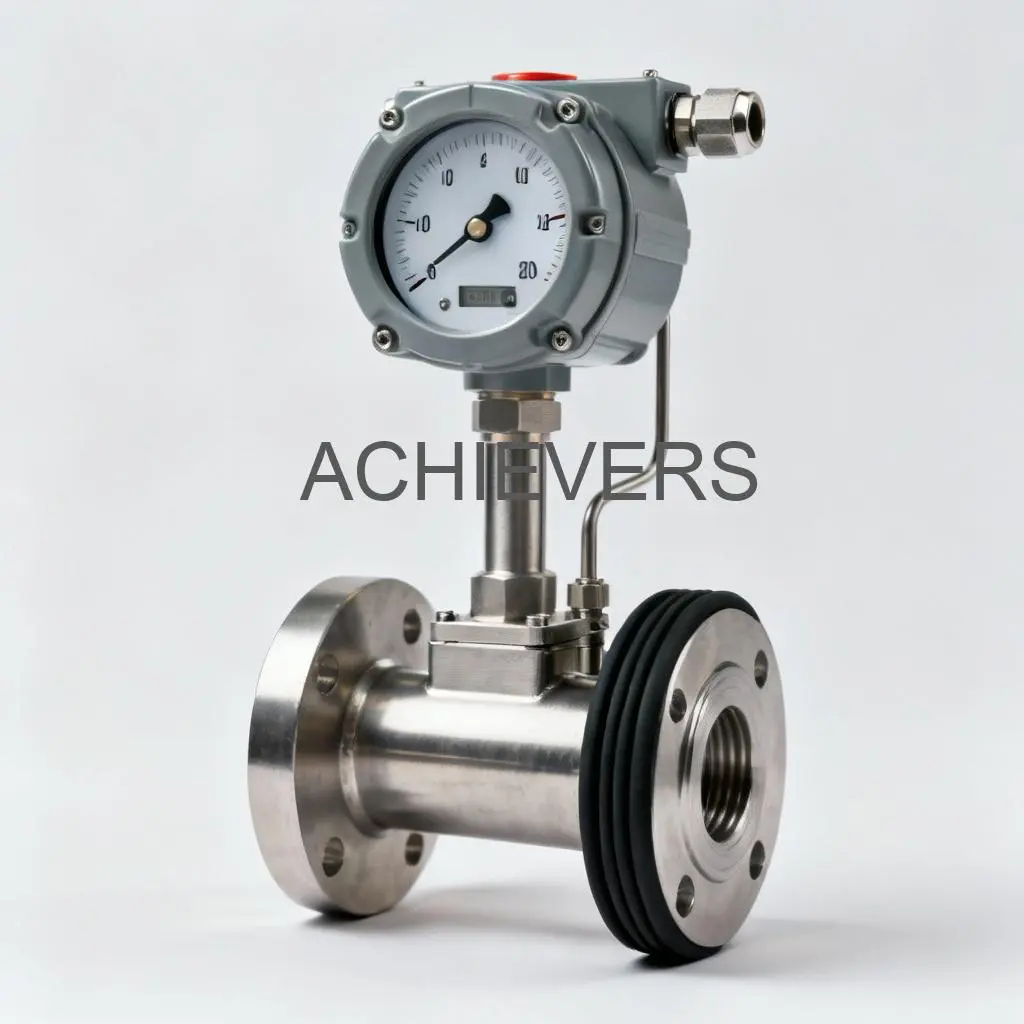
2. 5 Common Fuel Flow Meter Installation Errors and How to Avoid Them
This section serves as a diesel fuel flow meter installation guide for site engineers and technicians. We frequently encounter these five installation errors in the field. Correcting them during the commissioning phase is far cheaper than dealing with the long-term costs of inaccurate measurement.
Error 1: Inadequate Straight Run Piping (Turbulence)
One of the most frequent flow meter installation errors is placing the meter immediately after a bend, valve, or pump.
- The Problem: Fluid flowing through a pipe develops a specific velocity profile. When fuel passes through a standard elbow or a throttling valve, the flow becomes turbulent and chaotic. If a flow meter is installed directly in this turbulent zone, the internal mechanism (whether positive displacement or turbine) cannot register the flow consistently, leading to fluctuating readings.
- The Fix: Adhere to the "10D/5D" rule where possible, or follow the specific manufacturer guidelines. This typically means ensuring a straight run of pipe equivalent to 10 times the pipe diameter upstream of the meter, and 5 times the diameter downstream. This straight run acts as a flow conditioner, allowing the turbulence to settle into a laminar or predictable profile before it enters the measurement chamber.
Error 2: Neglecting Filtration (Debris Damage)
In Indian industrial contexts, fuel quality can vary. Diesel often contains particulate matter, rust from old storage tanks, or dust from the site environment.
- The Problem: A Fuel Flow Meter relies on tight mechanical tolerances to maintain accuracy. If abrasive particles or metal shavings enter the measuring chamber, they can jam the rotors, scour the internal housing, or destroy the bearings. This not only stops measurement but can permanently ruin the device.
- The Fix: Always install a high-quality strainer or filter immediately upstream of the flow meter. For diesel applications, a mesh size appropriate for the meter’s clearance (typically 40 to 80 mesh) is recommended. Regular maintenance of this filter is just as important as the installation itself; a clogged filter will drop pressure and starve the system, but a missing filter will destroy the meter.
Error 3: Air Entrainment (Measuring Air as Fuel)
This is a leading cause of "ghost" readings where the meter registers consumption, but no fuel is actually dispensed.
- The Problem: Air pockets can enter the fuel line due to leaks on the suction side of a pump, low tank levels causing a vortex, or during the initial priming of the system. Most flow meters measure volume, regardless of whether that volume is liquid diesel or air bubbles. If air passes through, the meter spins, charging you for air.
- The Fix: Ensure all suction-side piping is absolutely airtight. In pump-driven systems, the installation of an air eliminator vessel before the meter is industrial fuel metering best practices. This device separates and vents air before the fluid reaches the measurement chamber, ensuring that only liquid fuel is counted.
Error 4: Mechanical Stress and Vibration
Industrial skids and mobile refueling trucks are high-vibration environments.
- The Problem: If the inlet and outlet piping do not align perfectly with the meter’s flanges or threads, installers often force them together by tightening the bolts. This introduces permanent mechanical stress on the meter body. Over time, combined with pump vibration, this stress can warp the measuring chamber or crack the housing, causing leaks and seizing the internal mechanism.
- The Fix: Piping should be supported independently of the flow meter. The meter should not bear the weight of the pipes. Ensure flange alignment is perfect before inserting bolts. Use flexible couplings or expansion joints if significant thermal expansion or vibration is expected, especially on mobile bowsers.
Error 5: Ignoring Calibration Verification
Many users assume a meter is "set and forget." While high-quality meters are factory calibrated, site conditions change.
- The Problem: Changes in fluid viscosity (e.g., switching from diesel to heavier oil) or significant wear over years of use can cause measurement drift. Continuing to rely on a meter that hasn't been verified in years is a recipe for inventory discrepancies.
- The Fix: Establish a calibration schedule. Use a master meter or a calibrated proving can (volumetric standard) to verify accuracy periodically. Fuel flow meter calibration tips often suggest verifying accuracy after any major maintenance event or if the fuel type changes.
3. Selection and Configuration Guide
Avoiding errors starts with selecting the right Fuel Flow Meter for your specific application. As fuel flow meter suppliers in India with over 15 years of experience, we recommend analyzing the following parameters before purchase.
Determining Flow Rate and Line Size
Do not size the meter solely based on the pipe size. Size it based on the flow rate.
- Oversizing: Using a 2-inch meter for a trickle flow will result in the fuel slipping past the internal mechanism without registering (slippage).
- Undersizing: Pushing 200 LPM through a meter rated for 100 LPM will cause excessive pressure drop and rapid wear.
- Guideline: Select a meter where your normal operating flow rate falls between 20% and 80% of the meter's maximum capacity.
Material Compatibility
- Housing: Aluminum is standard for diesel and petrol due to its light weight and corrosion resistance suitable for hydrocarbons. Cast iron may be used for heavier industrial applications.
- Seals: Viton or Buna-N seals are typically required for petroleum-based fluids to prevent swelling and degradation.
Display and Output Requirements
- Mechanical Registers: Ideal for remote sites, mobile bowsers, and hazardous zones where power supply is an issue. They are robust and weather-resistant.
- Digital/Pulse Output: Necessary if you are connecting the meter to a Batching System, PLC, or a Fleet Management System for remote data monitoring.
4. Typical Applications in Indian Industry
The Fuel Flow Meter is a versatile workhorse found across various sectors. Our clients utilize these precision instruments in diverse configurations:
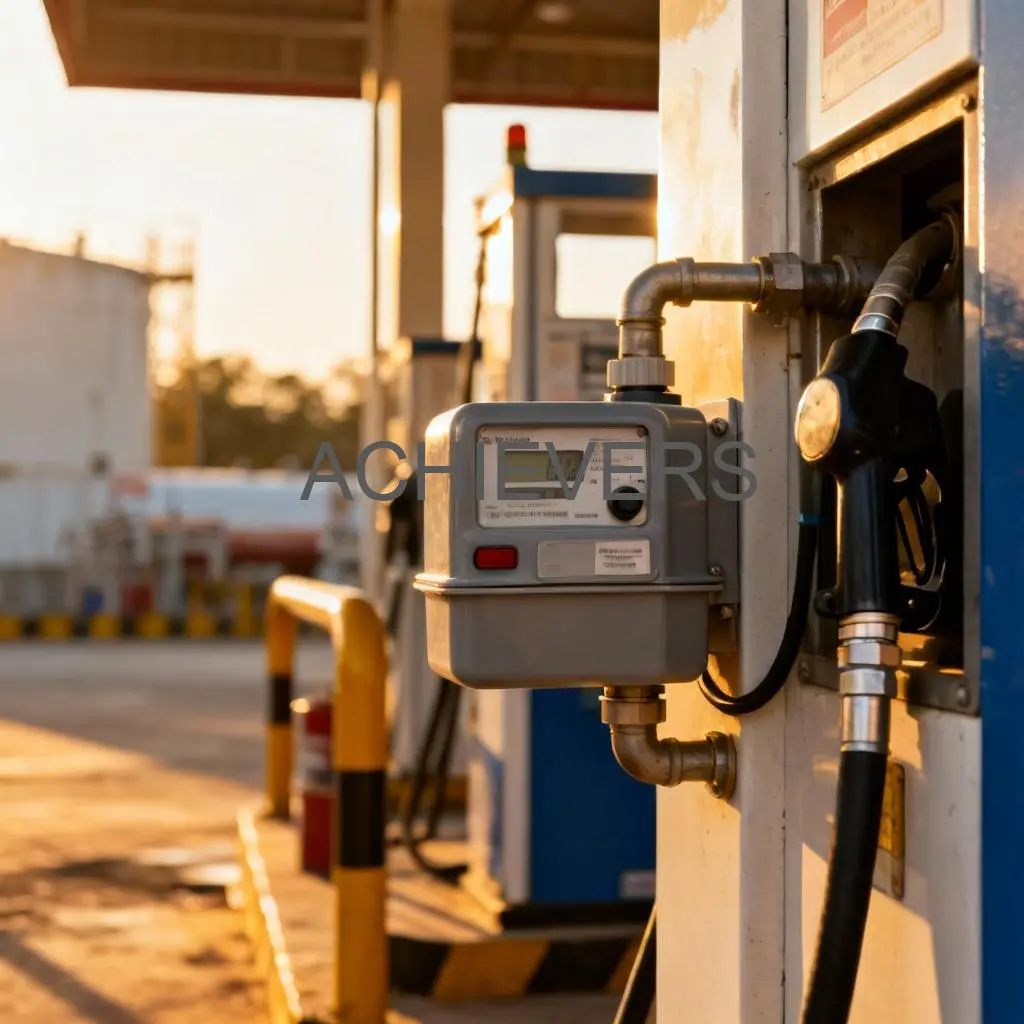
- Fleet Refueling & Logistics: Used on stationary pumps and mobile tanker trucks (bowsers) to dispense diesel to trucks and buses. This ensures that the fuel issued matches the fuel billed.
- Construction & Mining: Installed on onsite storage skids to refuel excavators, dumpers, and cranes. Accurate measurement here prevents pilferage in remote locations.
- Generator (DG) Sets: Monitoring fuel consumption of large backup generators in hospitals, data centers, and factories. This data is vital for calculating the efficiency (units generated per liter) of the power plant.
- Manufacturing Plants: Measuring furnace oil or diesel input for boilers and heating systems to calculate thermal efficiency and production costs.
- Chemical Batching: For non-corrosive petroleum-based solvents where precise batch quantities are required for mixing processes.
5. Service, Installation, and Support
Even the most robust hardware requires support to deliver accurate diesel measurement systems. At Chintan Engineers, we believe in "End-to-End Solutions," which extends beyond the sale of the product.
Installation Support
For critical infrastructure projects, we advise engaging with technical experts during the P&ID (Piping and Instrumentation Diagram) phase. Ensuring that straight runs, filters, and air eliminators are planned before the pipe is cut saves time and money.
Maintenance and AMC
Industrial environments are dusty and harsh. Periodic maintenance should include:
- Cleaning Strainers: A blocked strainer is the most common cause of "low flow" complaints.
- Seal Inspection: Checking for weeping or leaks at flanges.
- Calibration Checks: Using a volumetric measure to ensure the meter is retaining its accuracy.
We stand by our promise of "Enduring Support." Whether it is troubleshooting a flow inconsistency or providing an Annual Maintenance Contract (AMC), our team ensures your metering infrastructure remains reliable year after year.
Call to Action
Stop losing fuel to inaccuracy and poor installation. Whether you are setting up a new fuel depot or upgrading a mobile bowser, choosing the right configuration is critical for profitability.
Contact Chintan Engineers today. Our technical team will help you select the correct Fuel Flow Meter based on your specific flow rates, pipe sizing, and site conditions.
Secure your fuel assets with precision engineering.
