
















In the diverse and demanding landscape of Indian manufacturing, equipment reliability is the cornerstone of operational success. From chemical processing plants in Gujarat to large-scale dairy operations and water treatment facilities across the nation, the need for fluid handling systems that can withstand corrosion, maintain hygiene, and deliver consistent performance is paramount.
For plant engineers and procurement managers, stainless steel (SS) pumps represent the gold standard for durability and chemical resistance. Unlike cast iron alternatives which may succumb to rust or contamination, a high-quality stainless steel pump ensures long-term operational integrity. However, selecting the precise configuration for specific industrial needs—considering flow rates, head pressure, and fluid properties—requires a technical understanding of the equipment's capabilities. This guide explores the specifications and selection criteria for SS Pumps, ensuring you make an informed investment for your facility.
In This Article
1. Engineering Capabilities of SS Pumps
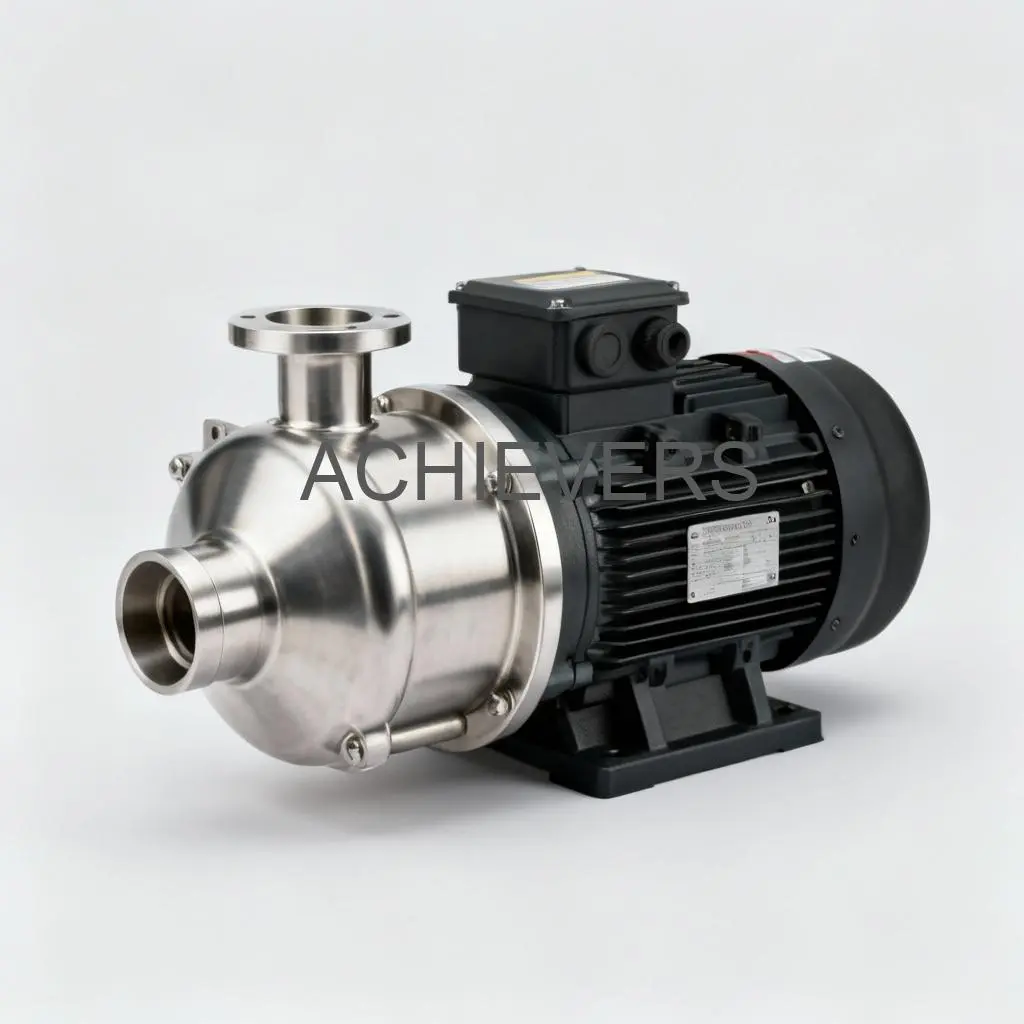
The SS Pumps manufactured by Chintan Engineers are engineered to deliver high working proficiency while minimizing vibration and noise, a critical requirement for indoor industrial environments and continuous process lines. These units are versatile, often categorized under various functional types such as monoblock pumps, centrifugal pumps, and lobe pumps, depending on the specific hydraulic design and application.
At the core of these pumps is a robust design focused on efficiency and longevity. The pumps feature shut (closed) impellers, which are essential for sustaining high efficiency over long periods of operation. The construction allows for a "back pull-out" design, a standard engineering feature that enables maintenance teams to remove the rotating assembly without disturbing the suction and discharge piping—significantly reducing downtime during inspections.
Key Technical Specifications:
- Head Range: Capable of delivering heads up to 60 Meters.
- Capacity: Flow rates up to 120 M3/hr, suitable for both medium and high-volume transfer.
- Discharge Size: Available in sizes ranging from 25 mm to 100 mm to match various piping infrastructures.
- Power Ratings:
- Three Phase: 1.0 HP to 20 HP (380 V to 415 V).
- Single Phase: 0.5 HP to 2.0 HP (200 V to 240 V).
- Speed: Motors operate up to 2880 RPM.
- Material of Construction (M.O.C.): While the primary focus is Stainless Steel (SS-304, SS-316), the modular design allows for components in Cast Iron (CI), Carbon Steel (CS), or Bronze depending on the specific compatibility requirements.
The shaft sealing arrangement is flexible, offering gland packing as a standard arrangement with the option to utilize a mechanical seal for applications requiring zero leakage.
2. Strategic Selection: Matching the Pump to the Indian Industrial Context
Selecting the right stainless steel pump is not merely about matching pipe sizes; it is about ensuring the pump’s hydraulic characteristics align with the specific nature of the fluid and the operational constraints of the plant. This section provides a practical guide for industrial buyers in India on choosing the appropriate SS Pumps based on application type, liquid properties, efficiency, and maintenance requirements.
Assessing Liquid Properties and Material Compatibility
The primary reason for choosing SS Pumps over other materials is chemical compatibility and hygiene. For general water transfer, cooling towers, or agriculture, SS-304 is often sufficient and cost-effective. However, for sectors like pharmaceuticals, dairy, or chemical processing—where fluids may be aggressive, acidic, or require sanitary handling—SS-316 is the non-negotiable standard due to its superior resistance to pitting and corrosion.
Efficiency and Operating Duty
Energy costs in India are a significant portion of operational expenses. The SS Pumps feature closed impellers and a process-type design intended to maximize hydraulic efficiency. When selecting a pump, engineers should look for "shut impellers" as mentioned in the product specifications, which ensure that the energy input (HP) is effectively converted into flow and head with minimal hydraulic loss.
Maintenance and Downtime Considerations
For continuous process industries, downtime is expensive. The "back pull-out" design of these pumps is a critical selection factor. It allows maintenance teams to perform servicing on the motor and impeller without dismantling the heavy volute casing or disconnecting pipes. This feature is invaluable for maintenance of stainless steel monoblock pumps in tight mechanical rooms or complex piping networks found in HVAC and water treatment plants.
Shaft Sealing Requirements
The choice between gland packing and mechanical seals depends on the fluid.
- Gland Packing: Standard, cost-effective, and robust for clear water handling where minor leakage for cooling is acceptable.
- Mechanical Seal: Essential for "chemical process pump buying tips" where the fluid is hazardous, expensive, or where the plant floor must remain dry and clean (e.g., pharmaceutical or food production zones).
3. Configuration and Sizing Guide
To ensure you order the correct specification, it is vital to calculate the system curve and match it against the pump’s operating data. Below is a guide to configuring the SS Pumps for your facility.
Step-by-Step Configuration:
- Determine the Flow Rate (Capacity):
- Calculate the required volume of fluid to be moved per hour. These pumps handle up to 120 M3/hr.
- Tip: Oversizing the pump can lead to cavitation and higher energy bills; undersizing leads to insufficient pressure.
- Calculate Total Dynamic Head (TDH):
- Measure the vertical height the fluid must be lifted.
- Add friction losses from pipes, bends, and valves.
- Ensure the requirement falls within the 60 Mtr range.
- Select the Power and Phase:
- For heavy industrial use, Three Phase (380 V – 415 V) is recommended for stability and power ranging from 1.0 HP to 20 HP.
- For smaller commercial or remote agricultural sites, Single Phase (200 V – 240 V) options (0.5 HP to 2.0 HP) are available.
- Define Connection Sizes:
- Check your existing piping diameter. Discharge sizes are available from 25 mm to 100 mm.
Critical Communication for Suppliers:
When contacting SS pump manufacturers in India, provide the following checklist to ensure accurate quoting:
- Fluid type (Viscosity, Temperature, pH, Corrosiveness).
- Required Flow (m3/hr) and Head (m).
- Preferred M.O.C. (SS-304 or SS-316).
- Seal Type (Mechanical or Gland Packing).
- Voltage availability at the site.
4. Typical Industrial Applications
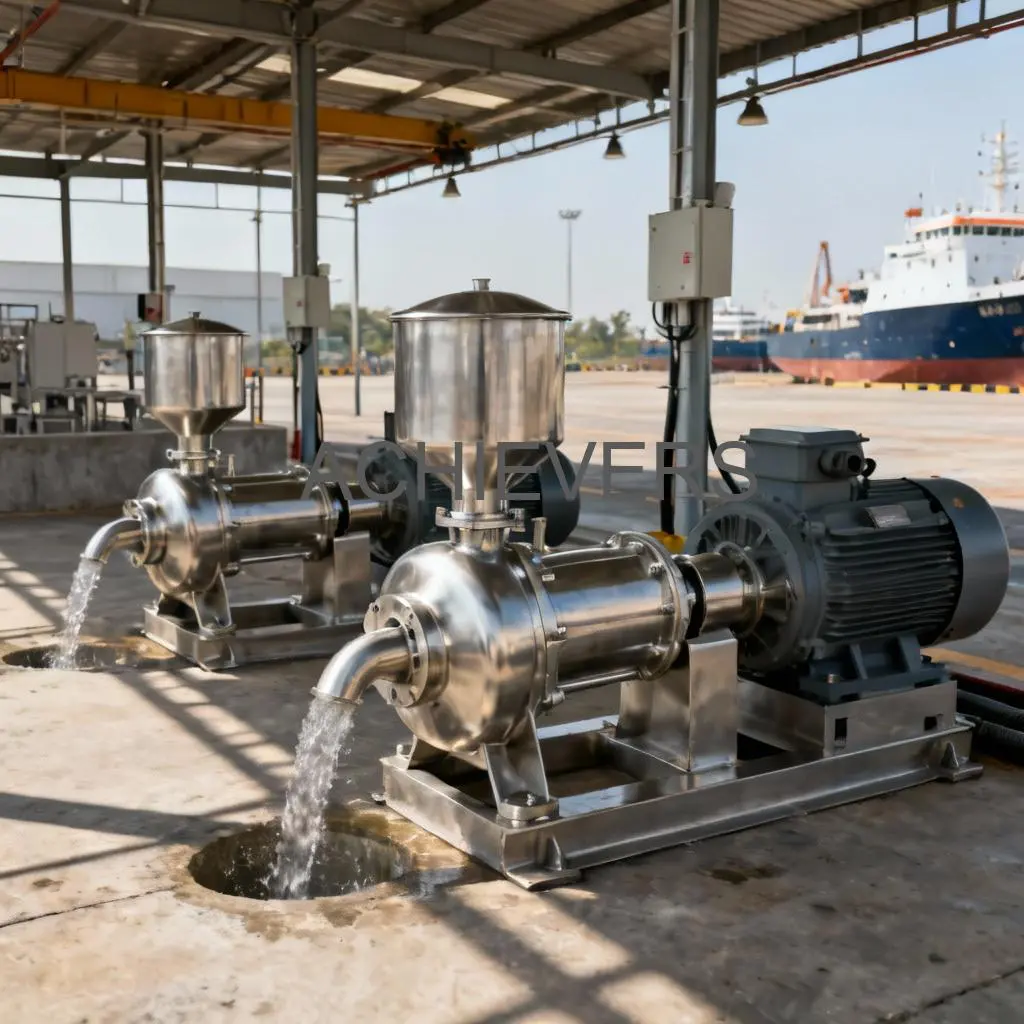
The versatility of SS Pumps allows them to be deployed across a wide spectrum of industries. Based on their robust construction and material options, they are engineered to perform in the following environments:
- Chemical and Pharmaceutical Industries:
- Used as a Chemical Process Pump for transferring solvents, mild acids, and reactants where material purity is critical.
- Ideal for pharmaceutical slurry transfer where contamination must be zero.
- Food, Dairy, and Beverage:
- Often referred to as a Pump For Dairy Chemical or Stainless Steel Lobe Pump in hygienic applications.
- Suitable for handling milk, juices, and cleaning-in-place (CIP) fluids due to the sanitary nature of stainless steel.
- HVAC and Utility Systems:
- Circulation of water in cooling towers and large-scale air conditioning systems.
- Water Supply for domestic use in large apartments, hotels, swimming pools, and commercial complexes.
- Agriculture and Irrigation:
- Cultivating and Irrigation systems requiring reliable water lift for farms and agribusiness applications.
- Clear water handling for general farm use.
- Safety and Power:
- Fire-fighting systems where pump reliability is a matter of safety.
- Boiler feed and auxiliary systems in power plants.
5. Installation, Calibration, and Support
Investing in high-quality SS Pumps is only the first step; proper installation and lifecycle support are what ensure decades of service.
Installation Best Practices:
- Foundation: Ensure the pump is mounted on a rigid, vibration-absorbing foundation to maintain the "vibration and noise-free operation" these pumps are known for.
- Alignment: Although monoblock designs reduce alignment issues, ensuring stress-free pipe connections is vital to prevent strain on the pump casing.
- Suction Design: Keep suction lines short and straight to prevent cavitation, which can damage the closed impellers.
Service and AMC:
Chintan Engineers supports clients beyond the sale. As a manufacturer committed to end-to-end solutions, the pumps are inspected by quality controllers to assure performance and functionality before dispatch.
- Calibration: Accurate calibration is verified to ensure the pump meets the stated flow and head specs.
- Spares availability: Being a locally manufactured product, spares for the "flexible shaft fixing arrangement" or impellers are readily available, unlike imported alternatives.
- AMC: Comprehensive Annual Maintenance Contracts (AMC) are available to ensure your stainless steel centrifugal pumps Ahmedabad based units continue to operate at peak efficiency.
Ready to Configure Your System?
Selecting the right pump is a balance of engineering precision and practical site requirements. Whether you need a hygienic pump for a dairy line or a rugged transfer pump for a chemical plant, the SS Pumps range offers a modular, efficient, and durable solution.
Contact Chintan Engineers today to discuss your specific hydraulic requirements. Our technical team will assist you in selecting the exact head, flow capacity, and material grade to suit your operation.
- Product: SS Pumps
- Flow Capacity: Up to 120 M3/hr
- Max Head: 60 Mtr
- Material: SS-304 / SS-316
