
















In the demanding landscape of Indian manufacturing and infrastructure, equipment failure is not just an inconvenience; it is a direct hit to productivity and profitability. For industries handling aggressive fluids—whether in chemical processing, water treatment, or industrial HVAC systems—the choice of fluid handling equipment is critical. Among the most vital components in these systems are stainless steel pumps, known for their corrosion resistance and structural integrity.
However, not all stainless steel pumps are created equal. Selecting the right unit involves more than just matching pipe sizes; it requires a deep understanding of fluid dynamics, material science, and the specific operational environment. For engineers and facility managers, the goal is to secure equipment that offers durability, consistent performance, and low lifecycle costs. This article explores the essential criteria for selecting high-performance SS Pumps that can withstand the rigors of Indian industrial applications.
1. What This Product Does
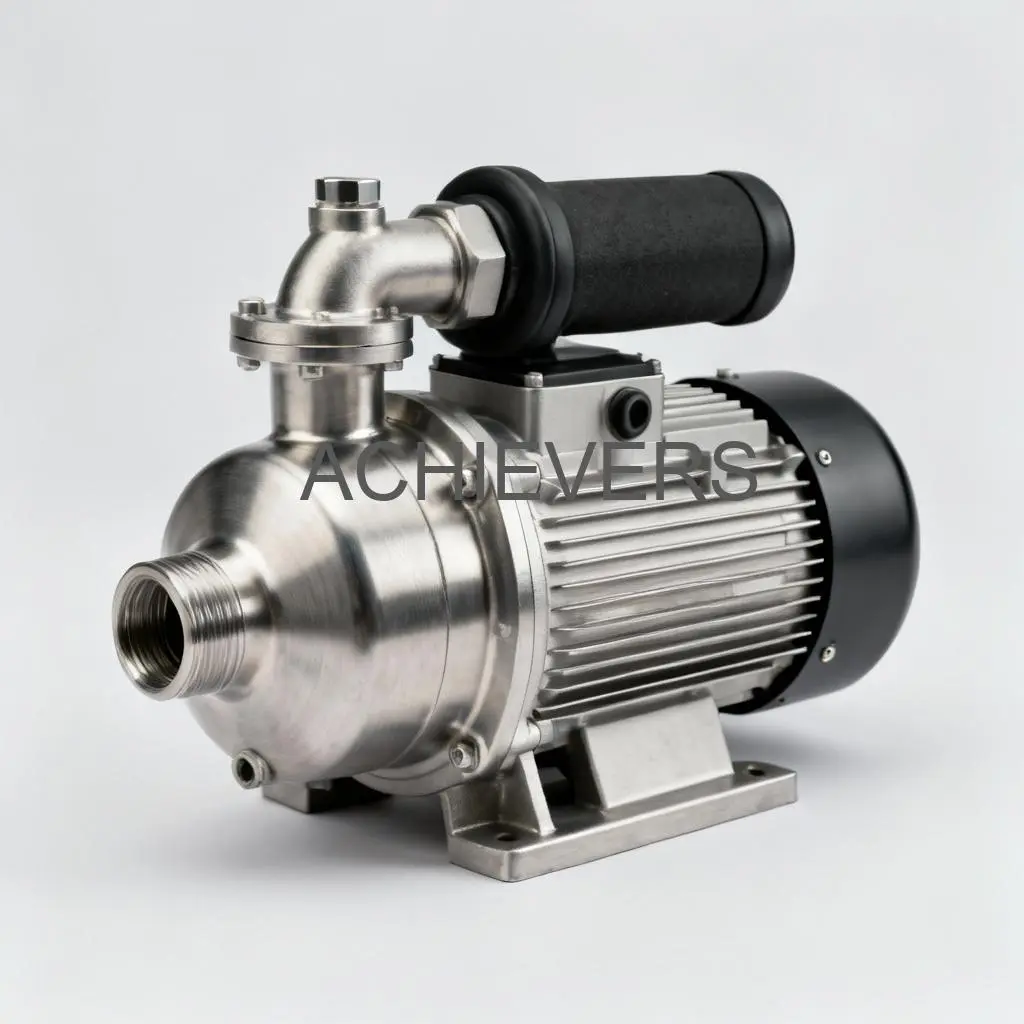
At their core, the SS Pumps manufactured by Chintan Engineers are engineered to deliver precision fluid transfer in environments where standard cast iron or carbon steel pumps would fail due to corrosion or contamination issues. These pumps are designed to move liquids ranging from water and light oils to more aggressive chemical solutions with high efficiency and reliability.
Based on the engineering standards maintained by Chintan Engineers, these pumps are built with high-grade stainless steel components (typically SS 304 or SS 316) which provide exceptional resistance to oxidation and chemical attack. Key features generally include:
- Robust Construction: The pump casing, impeller, and shaft are crafted from stainless steel to ensure longevity even when handling corrosive media.
- Precision Engineering: Designed for accurate flow control, these pumps minimize turbulence and energy loss, contributing to better overall system efficiency.
- Versatile Sealing Options: Equipped with high-quality mechanical seals to prevent leakage, ensuring a clean and safe operating environment.
- Industrial Durability: Engineered to withstand the thermal and mechanical stresses common in sectors like logistics, manufacturing, and energy.
The primary function of these pumps is to ensure the continuous, leak-free movement of fluids, safeguarding downstream equipment and maintaining process integrity. Whether used for transfer, circulation, or boosting pressure, they represent a critical asset for maintaining uptime.
2. 7 Essential Factors to Consider When Selecting Stainless Steel Pumps for Industrial Use
Selecting the correct pump requires navigating a complex matrix of operational variables. While the market is flooded with options, identifying the best SS pumps for chemical plants or water supply systems requires a technical approach. Below are the seven critical factors that influence the performance and longevity of SS pumps for industrial applications.
1. Material Grade Selection (SS 304 vs. SS 316)
The term "stainless steel" covers a broad family of alloys. For general water supply and non-aggressive fluids, SS 304 is often sufficient and cost-effective. However, for chemical processing where chlorides, acids, or saline solutions are present, SS 316 (which contains molybdenum) is non-negotiable. It provides superior pitting resistance. Buyers must verify the material test certificates to ensure the steel grade matches the chemical compatibility of the fluid being pumped.
2. Fluid Viscosity and Specific Gravity
Standard centrifugal SS Pumps are excellent for low-viscosity fluids like water or thin chemicals. However, as viscosity increases (e.g., oils, resins), pump performance changes. The specific gravity of the fluid also dictates the motor power required. A pump sized for water will overload the motor if used for a heavier fluid like sulfuric acid. Accurate data on fluid properties ensures the pump is powered correctly to avoid tripping or motor burnout.
3. Flow Rate and Head Requirements
Indian industries often face variable demand. It is crucial to calculate the Total Dynamic Head (TDH)—which includes static lift and friction losses in pipes—rather than just vertical distance. Oversizing a pump leads to cavitation and vibration, while undersizing results in insufficient flow. Understanding the System Curve versus the Pump Curve is vital for selecting a unit that operates at its Best Efficiency Point (BEP).
4. Shaft Sealing Systems
Leakage is the most common failure mode in industrial pumps. For industrial stainless steel pumps Ahmedabad and beyond, the choice of mechanical seal is paramount. Single mechanical seals work for many applications, but double mechanical seals or gland packing might be necessary for hazardous, toxic, or crystallizing fluids. The seal face materials (e.g., Carbon vs. Ceramic, or Silicon Carbide vs. Silicon Carbide) must be chosen based on the abrasiveness of the fluid.
5. Operating Temperature and Thermal Shock
In HVAC and industrial cooling applications, pumps may handle fluids at varying temperatures. Stainless steel expands and contracts with thermal changes. The pump design must accommodate these fluctuations without seizing. Furthermore, high-temperature applications may require specialized elastomers (O-rings and gaskets) such as Viton or PTFE, rather than standard NBR rubber, to prevent seal failure.
6. Net Positive Suction Head (NPSH)
To prevent cavitation—a phenomenon where vapor bubbles form and collapse, causing severe damage to the impeller—the NPSH Available (NPSHa) in the system must be greater than the NPSH Required (NPSHr) by the pump. This is particularly critical in hot water applications (like boiler feeds) or when lifting fluids from underground tanks. Ignoring NPSH is a leading cause of premature pump destruction in durable pumps for Indian industries.
7. Maintenance and Spare Parts Availability
A pump is a long-term investment. SS pump manufacturers in India like Chintan Engineers emphasize the importance of local support. Imported pumps often face weeks of downtime due to spare parts unavailability. Choosing a manufacturer with a strong domestic presence ensures that impellers, seals, and shafts are readily available, and that AMC (Annual Maintenance Contract) services are accessible to keep the system running.
3. Selection and Configuration Guide
Navigating the specifications to configure the ideal SS Pumps for your facility involves clear communication between the engineering team and the manufacturer. To ensure you receive a solution that aligns with your operational goals, follow this configuration guide.
Defining Operational Parameters
Before sending an enquiry, gather the following data. This prevents back-and-forth and ensures the quotation is accurate:
- Fluid Composition: Chemical name, concentration (%), and presence of solids.
- Temperature Range: Min/Max operating temperatures.
- Flow Rate: Required capacity in Liters Per Minute (LPM) or Cubic Meters per Hour (m³/hr).
- Pressure/Head: Discharge pressure required and suction conditions (flooded suction or suction lift).
Hardware Configuration
Once the hydraulic parameters are set, look at the mechanical build:
- Mounting: Do you need a horizontal foot-mounted pump or a vertical inline pump to save floor space?
- Motor Specifications: Determine if you need a standard TEFC motor or a Flame Proof (FLP) motor for hazardous zones (Zone 1/Zone 2). Also, confirm voltage (Single Phase vs. Three Phase) based on site availability.
- Connection Type: Specify if you require flanged connections (ANSI/DIN standards) for easy maintenance or threaded connections for smaller lines.
What to Communicate to Suppliers
When discussing with SS pump manufacturers in India, be transparent about the duty cycle.
- Intermittent vs. Continuous: A pump running 24/7 requires different bearing and motor specs than one running 1 hour a day.
- Future Expansion: If you plan to expand capacity later, it might be wise to install a pump with a trimmed impeller that can be replaced with a full-size impeller later.
4. Typical Applications
SS Pumps are versatile workhorses found across various sectors in the Indian industrial landscape. Their ability to resist corrosion while maintaining structural strength makes them suitable for:
Chemical and Pharmaceutical Processing
In these industries, purity is paramount. Stainless steel prevents contamination of the product. These pumps are used for transferring solvents, acids, alkalis, and pharmaceutical intermediates where material reactivity must be zero.
Industrial Water Treatment
RO (Reverse Osmosis) plants, DM (Demineralization) plants, and wastewater treatment facilities rely heavily on stainless steel pumps. They handle high-pressure feed water and chemically treated water without suffering from the rust and scale buildup that affects cast iron pumps.
HVAC and Utility Systems
Large commercial buildings and factories use these pumps for chilled water circulation and hot water loops. The smooth surface finish of stainless steel reduces friction losses, contributing to energy savings in large-scale cooling systems.
Food and Beverage
While specific sanitary pumps are used for direct food contact, industrial SS pumps are widely used in the utility side of food plants—for CIP (Clean-In-Place) systems, hot water washdowns, and waste effluent transfer.
Fuel and Solvent Transfer
For industries managing fuels or industrial solvents, stainless steel offers a spark-free, conductive, and robust solution, especially when coupled with flame-proof motors for safety compliance.
5. Service, Installation, and Support
The lifespan of SS Pumps is heavily dictated by installation quality and ongoing maintenance. Chintan Engineers emphasizes that even the best-engineered pump will fail if installed on a weak foundation or with misaligned piping.
Installation Best Practices:
- Baseplate Leveling: Ensure the pump and motor are perfectly leveled and grouted to prevent vibration.
- Pipe Support: Piping should be supported independently; the pump casing should not bear the weight of the pipes, as this causes casing distortion and misalignment.
- Alignment: Laser or dial indicator alignment of the coupling is critical before startup to save bearings and seals.
Calibration and AMC:
Regular inspection of mechanical seals and monitoring of motor amp draw can predict failures before they happen. Companies that offer end-to-end solutions, from manufacturing to AMC, provide significant value. Factory calibration and testing ensure that the pump meets the specified head and flow curve before it leaves the factory.
Why Local Support Matters:
In the Indian market, having access to technical experts who understand local site conditions—voltage fluctuations, ambient heat, and dust—is invaluable. How to select stainless steel pumps ultimately comes down to choosing a partner who stands by their product with genuine spares and rapid service response.
Call to Action
Selecting the right stainless steel pump is a balance of science and practical engineering. Don't leave your process integrity to chance.
To get a precise configuration tailored to your specific industrial needs, contact the technical team at Chintan Engineers. When you reach out, please share your:
- Product requirement: SS Pumps
- Required Flow Rate & Head: (e.g., 50 m³/hr at 30 meters)
- Fluid Details: (Chemical nature, viscosity, and temperature)
- Site Location: (To assist with installation and support logistics)
Reach out today to secure pumps driven by innovation and powered by engineering.
